

Ayodhya Land Deals: Politicians’ Relatives Reap Profits from Temple Trust Transactions
In a striking case of political connections translating into financial gain, relatives of politicians in Ayodhya have reportedly profited handsomely from land transactions linked to the Ram temple...

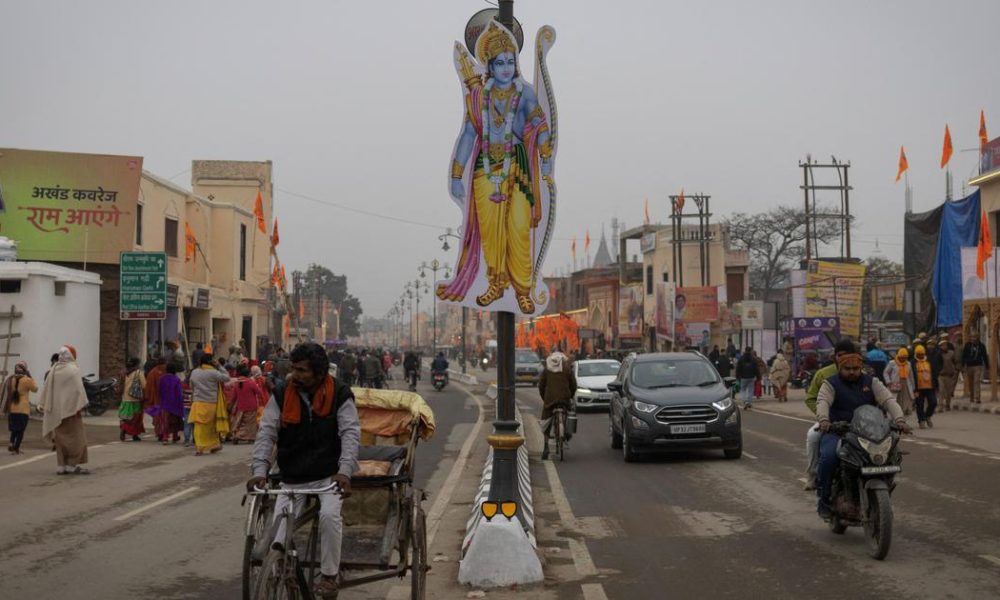
In a striking case of political connections translating into financial gain, relatives of politicians in Ayodhya have reportedly profited handsomely from land transactions linked to the Ram temple trust. In February 2021, Rishikesh Upadhyaya, the nephew of Ayodhya’s mayor and a member of the Bharatiya Janata Party, purchased a piece of land for Rs 20 lakh. Astonishingly, just three months later, he sold this plot to the Ram temple trust for a staggering Rs 2.5 crore, marking a twelvefold increase in price.
This incident is not isolated. Subsequent investigations revealed a pattern where individuals closely associated with political figures have been acquiring land at significantly lower prices, only to resell it to the temple trust at inflated rates—often within a mere few days of purchase. Such revelations have raised eyebrows and triggered concerns about potential exploitation of the temple trust’s funds, drawing the attention of the state government.
In response to the growing scrutiny surrounding these transactions, the Uttar Pradesh government initiated an inquiry led by a lone committee member, the state revenue secretary. However, the findings of this investigation have yet to be disclosed to the public. Meanwhile, an examination of land records from a specific village in Ayodhya indicates that the trend of politically connected individuals profiting from these dealings persists. Although the transactions have slowed down, the fundamental issue remains, with the time frame between acquisition and resale extending from days to several years.
In the village of Bagh, where several of these transactions have been recorded, it appears that the lucrative practice of purchasing land at lower costs and selling it to the temple trust at premium prices continues. While the initial haste of these transactions has diminished, the underlying dynamics suggest that influential individuals are still capitalizing on the religious site’s development.
The Ram temple, a cornerstone of political and religious significance in India, has become a focal point of economic activity and speculation. The ongoing developments raise critical questions about transparency and accountability in land dealings tied to such an emblematic project. As public interest in the temple continues to grow, so too does the urgency for a thorough investigation to ensure that the financial transactions surrounding it are conducted ethically and responsibly.
Source: scroll.in




No Comment! Be the first one.