

Supreme Court Asks Centre to Address Concerns Over Police Disclosure of Accused Identities
The Supreme Court of India has called upon the Union government, state administrations, and social media giants X (formerly Twitter) and Meta to respond to a public interest litigation (PIL) that...

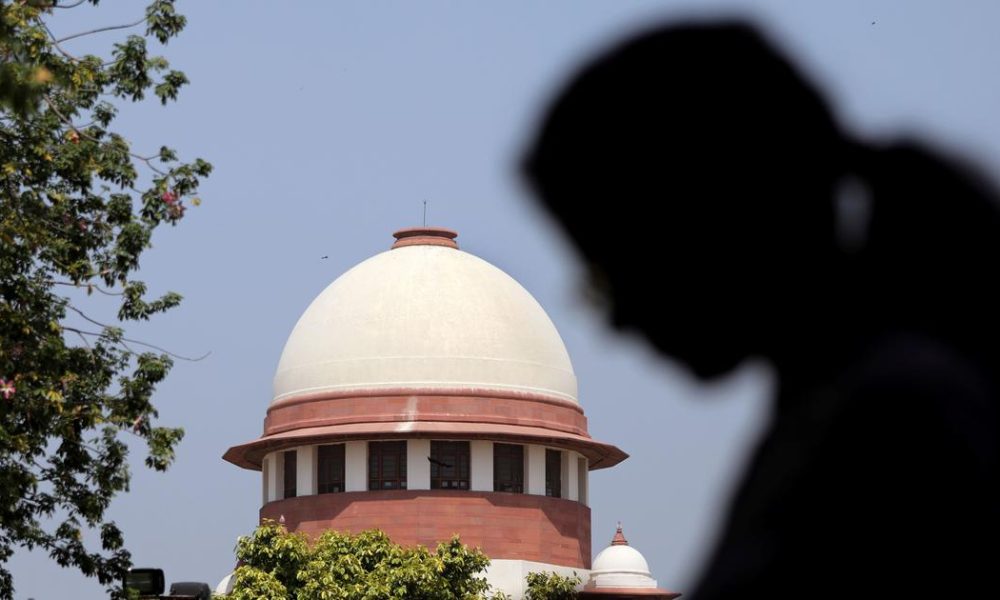
The Supreme Court of India has called upon the Union government, state administrations, and social media giants X (formerly Twitter) and Meta to respond to a public interest litigation (PIL) that seeks to curb the practice of police disclosing the identities of accused individuals online. This request comes amid growing concerns about the impact of such disclosures on the dignity and privacy of individuals who have not yet been convicted of any crime.
The petition, submitted by a resident of Gujarat, argues that the current practices of law enforcement agencies are not only damaging but also violate the fundamental rights of the accused. It highlights instances where individuals facing allegations have been publicly shamed through the posting of their photographs and videos, often depicting them in distressing situations such as being handcuffed, beaten, or otherwise mistreated. The petitioner asserts that these actions not only compromise the presumption of innocence but also contribute to a culture of dehumanization.
In its hearing, the Supreme Court emphasized the need for a balanced approach that protects the rights of individuals while ensuring that law enforcement can effectively carry out its duties. The plea calls for clear guidelines to be established regarding the use of social media by police authorities, particularly aimed at preventing the sharing of content that could tarnish an individual’s reputation unfairly. The court has previously addressed similar concerns regarding police interactions with the media, indicating that existing directives could also apply to social media platforms.
The petitioner is also advocating for the removal of existing posts that violate these proposed guidelines, adding to the urgency of the call for reform. The move to establish such regulations reflects a broader dialogue in India about the intersection of law enforcement practices and digital rights, particularly in an age where social media has become a dominant tool for communication.
This case highlights the pressing need for reform in how police interact with the media and the public, especially in sensitive matters involving individuals accused of crimes. As the Supreme Court seeks input from various stakeholders, it sets the stage for a potential re-evaluation of existing practices, aiming to safeguard the dignity of accused individuals while addressing public safety concerns.
Source: scroll.in





No Comment! Be the first one.