

Call to Reinstate E10 Fuel for Older Vehicles Amid Concerns Over E20 Compatibility
The Chief Economic Adviser to the Indian government, V Anantha Nageswaran, has advocated for the reinstatement of E10 fuel—petrol blended with 10% ethanol—as a viable option for older vehicles. This...

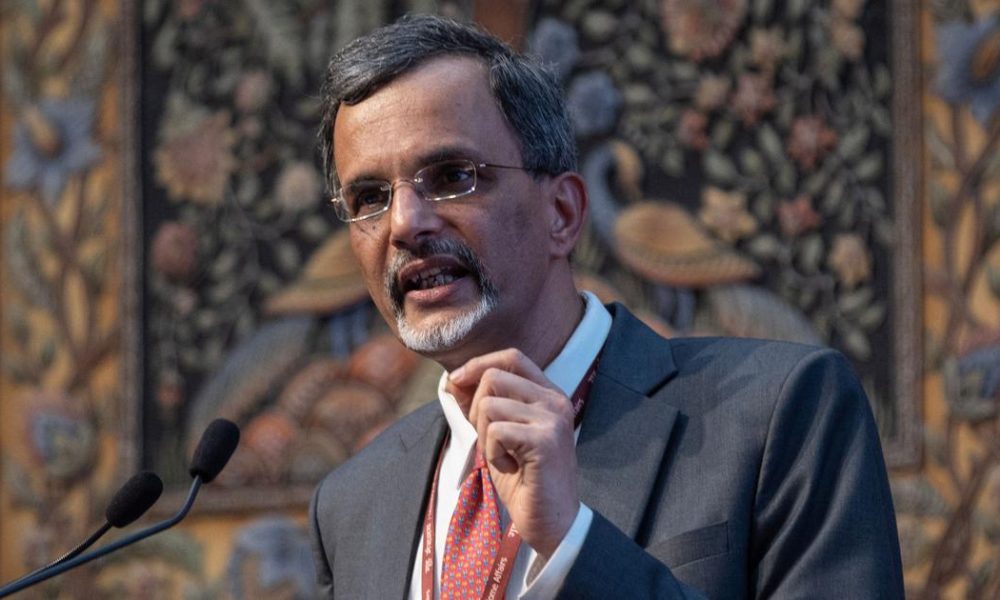
The Chief Economic Adviser to the Indian government, V Anantha Nageswaran, has advocated for the reinstatement of E10 fuel—petrol blended with 10% ethanol—as a viable option for older vehicles. This recommendation comes in light of concerns regarding the compatibility of these vehicles with the new E20 fuel, which contains 20% ethanol. Nageswaran shared his insights in an article published in The Indian Express on Monday, highlighting the challenges faced by owners of older two-wheelers and other carburettor-based vehicles.
The Indian government has been pushing for the Ethanol Blended Petrol initiative, which aims to reduce the country’s reliance on fossil fuels while simultaneously lowering greenhouse gas emissions. Additionally, this policy is designed to provide a financial boost to sugarcane farmers by creating a market for ethanol, which is produced from sugarcane and food grains. However, the transition to E20 has not been without its difficulties, particularly for consumers who have reported engine damage and decreased fuel efficiency when using the new fuel blend.
Nageswaran, alongside consultant Akash Poojari from the Department of Economic Affairs, pointed out that India boasts approximately 75 to 80 million older two-wheelers that rely on carburettors for managing the air-fuel mixture in engines. These carburettor engines are unable to adjust for the increased oxygen content in the E20 blend, leading to an imbalance in fuel delivery. As a result, engines may overheat, potentially causing significant damage over time.
Moreover, the article highlights an additional concern regarding the durability of older rubber seals within these engines. The seals are not designed to withstand ethanol exposure, which can lead to deterioration regardless of the engine temperature. This deterioration poses a risk for older vehicles, further complicating the transition to E20 fuel.
In light of these challenges, Nageswaran calls on the government to reintroduce the E10 option, which could provide a more compatible solution for older vehicles. This move could ensure that millions of consumers are not left at a disadvantage, while also supporting the broader goals of reducing fossil fuel dependency and enhancing agricultural income. As the debate continues, it remains crucial for policymakers to balance environmental goals with the practical needs of vehicle owners across the country.
Source: scroll.in







No Comment! Be the first one.