

Discussion Emerges Over Exclusion of Duleep Singh’s Youngest Daughters from Exhibition
An exhibition in London showcasing the lives of the Duleep Singh princesses has sparked a conversation around the representation of Sikh heritage and the visibility of women in historical narratives....

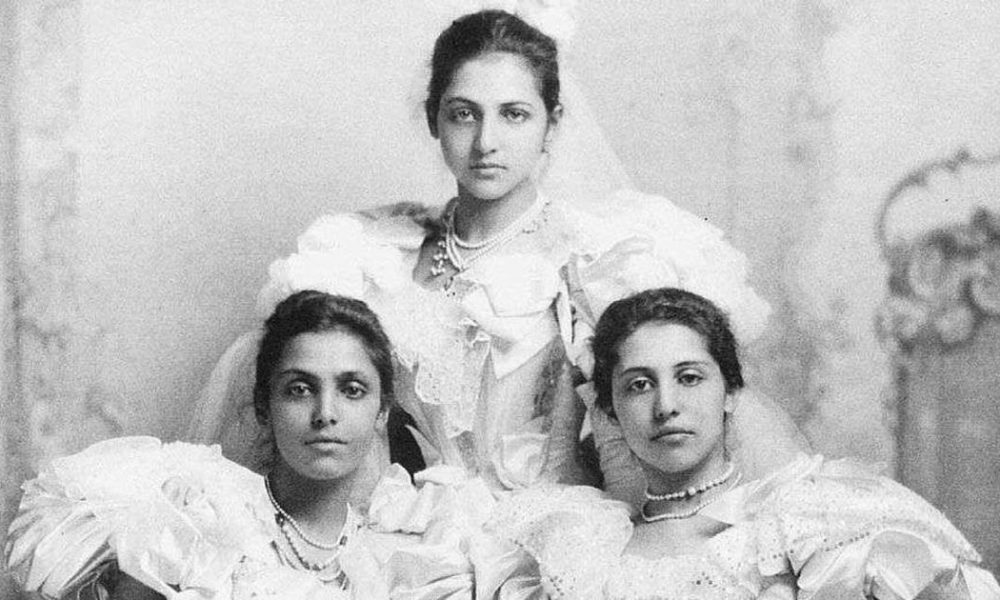
An exhibition in London showcasing the lives of the Duleep Singh princesses has sparked a conversation around the representation of Sikh heritage and the visibility of women in historical narratives. The piece, penned by a journalist, highlighted the enchanting stories of Maharajah Duleep Singh’s daughters, Sophia and Bamba, but left some observers feeling that the narrative was incomplete.
Among the voices contributing to this discourse is Sundeep Braich, who expressed disappointment over the lack of attention given to the youngest daughters of Maharajah Duleep Singh, Princesses Pauline and Irene. Despite their inclusion in the exhibition, their portrayal was described as marginal, raising concerns regarding the representation of all family members in historical accounts. Braich, a British Sikh and Punjabi woman, emphasized the importance of recognizing the entire lineage of the Duleep Singh family, which played a significant role in Sikh history.
Additionally, the exhibition omitted mention of Princess Victor Duleep Singh, also known as Lady Anne Coventry, who was a vital link to the Sikh royal lineage through her marriage. This exclusion not only limits the representation of women in Sikh history but also highlights a broader issue of accessibility to historical archives which often remain in private collections. Such private holdings can lead to gatekeeping, preventing a fuller understanding of Sikh heritage and history.
The sentiment expressed by Braich reflects a growing consciousness among individuals advocating for a more inclusive representation of history, particularly in the context of Indian heritage. The current discourse around historical narratives points to the necessity of revising how stories of influential figures are told, ensuring that every voice, especially those of women, is part of the larger narrative.
As discussions continue regarding the exhibition and the broader implications of historical representation, it becomes evident that acknowledging the full scope of the Duleep Singh family’s legacy is crucial for a comprehensive understanding of Sikh history. The call for inclusivity is not just a plea for recognition but a demand for a richer, more varied tapestry of the past that accurately reflects the contributions of all individuals involved.
Source: scroll.in







No Comment! Be the first one.