

Exploring Transitions: Bhisham Sahni’s ‘Boyhood’ Offers Insight into the Journey from Childhood to Adulthood
In the intricate landscape of life, the boundaries between childhood and adulthood often blur, leaving us to ponder the true onset of maturity. Bhisham Sahni, a monumental figure in Indian...

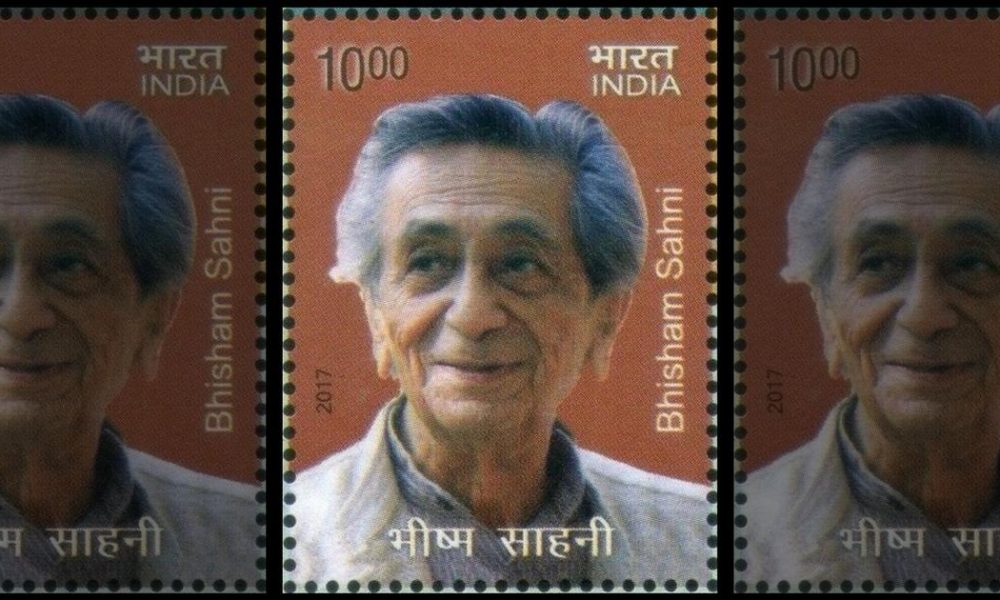
In the intricate landscape of life, the boundaries between childhood and adulthood often blur, leaving us to ponder the true onset of maturity. Bhisham Sahni, a monumental figure in Indian literature, delves into this very question in his debut novel, ‘Boyhood’. Originally published in Hindi in 1967 under the title ‘Jharokhe’, this sensitive narrative captures the essence of a young boy’s coming-of-age experience during the colonial era in India. The English translation, released in 2016 by Anna Khanna, offers a fresh lens through which readers can explore this timeless tale.
‘Boyhood’ serves as a reflective journey, narrated from the perspective of the protagonist’s adult self, who revisits his formative years with a blend of nostalgia and introspection. Rather than casting himself as the main player in his life story, he takes on the role of an observer, allowing the events of his childhood to unfold as if they were a series of disconnected moments beyond his control. This narrative technique enriches the reader’s understanding of the confusion and uncertainty that often accompany the transition from youth to maturity.
The novel portrays a landscape where the innocence of childhood often collides with the harsh realities of growing up. Sahni’s protagonist experiences not just fleeting moments of joy, but also prolonged stretches of anxiety and existential doubt. These emotional complexities invite readers to reflect on their own journeys, questioning the clarity and significance of their life choices and experiences. The eloquent prose and vivid imagery invite readers to immerse themselves in the protagonist’s world, making the joys and pains of his boyhood resonate deeply.
Bhisham Sahni’s literary prowess is remarkable, and ‘Boyhood’ marks the beginning of his significant contributions to Indian literature. He later gained widespread acclaim for his poignant exploration of the Partition in his magnum opus, ‘Tamas’. However, ‘Boyhood’ stands on its own merit, offering a prelude to the themes of loss and identity that Sahni would further explore throughout his career. The novel’s exploration of childhood not only provides a backdrop for personal growth but also reflects the cultural and political complexities of a colonial India on the brink of change.
In conclusion, ‘Boyhood’ is more than just a tale of growing up; it is a profound commentary on the ambiguous nature of life transitions. Through Sahni’s delicate storytelling, readers are encouraged to navigate the hazy waters between childhood and adulthood, ultimately pondering the enduring question of what defines true maturity. This novel is essential reading for anyone interested in the intersections of personal and collective histories within the Indian context.
Source: scroll.in






No Comment! Be the first one.