

Gopalkrishna Gandhi Explores Mahatma Gandhi’s Perspectives on Hinduism in New Book
In his latest publication, Gopalkrishna Gandhi delves into the thoughts and beliefs of his grandfather, Mahatma Gandhi, particularly focusing on the latter’s interpretations of Hinduism....

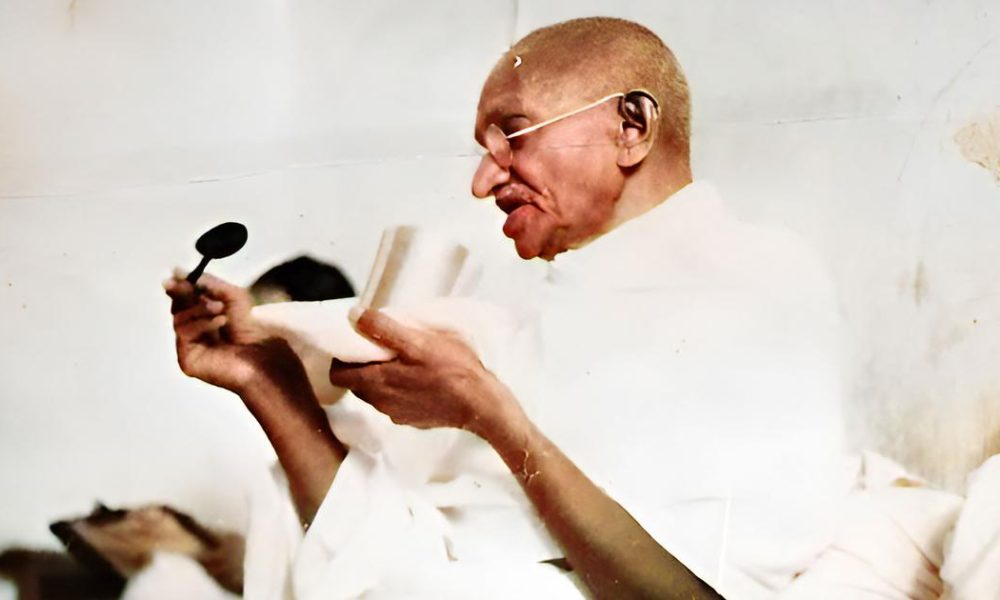
In his latest publication, Gopalkrishna Gandhi delves into the thoughts and beliefs of his grandfather, Mahatma Gandhi, particularly focusing on the latter’s interpretations of Hinduism. Through a series of reflections, Gopalkrishna examines how Gandhi’s spiritual practices were deeply intertwined with the broader religious fabric of India.
Fasting has long been an essential element of Indian culture, serving as a method for self-denial and purification. This tradition is not only prevalent in Hinduism but is also observed across various faiths in India. For instance, Hindus often engage in fasting during auspicious days, with significant observances like Mahashivaratri highlighting the cultural importance of these practices. Gopalkrishna’s examination reveals that fasting is not merely a ritual but a vital aspect of spiritual life for many Indians.
In addition to Hindu customs, Gopalkrishna touches on the Jaina tradition, which places even greater emphasis on fasting as a premier act of devotion. He recalls the unwavering commitment of his Jain-influenced mother, who practiced fasting with a joyful heart. This anecdote not only personalizes the narrative but also illustrates the deep-rooted connection between fasting and the spiritual journey undertaken by many Indian families.
The Islamic faith also holds fasting in high regard, with the month of Ramadan being a period of strict adherence to this practice. Gandhi himself expressed admiration for the dedication shown by Indian Muslims during this holy month, particularly in the case of notable figures like Khan Abdul Ghaffar Khan. This acknowledgment reflects Gandhi’s inclusive approach to spirituality, recognizing the shared values among different religions.
Gandhi’s commitment to fasting was profound, and throughout his life, he utilized this practice for various causes. From his return to India in 1915 until his assassination in 1948, he undertook fasting for a total of 148 days, addressing social and political issues through this spiritual discipline. Gopalkrishna’s work sheds light on how these acts of fasting were not only personal endeavors but also public statements advocating for justice and peace.
As readers engage with Gopalkrishna Gandhi’s insights, they are invited to reflect on the enduring significance of fasting and its place within the rich tapestry of Indian spirituality. The exploration of Mahatma Gandhi’s views encourages a deeper understanding of how individual practices can resonate with collective beliefs, fostering a sense of unity amidst diversity in India’s religious landscape.
Source: scroll.in






No Comment! Be the first one.