

Delhi Court Grants Bail to Cockroach Janta Party Leaders Following Protest Incident
A special executive magistrate court in Delhi has ordered the release of Cockroach Janta Party (CJP) leaders Ashutosh Ranka and Saurav Das, who were detained earlier this month during a protest at...

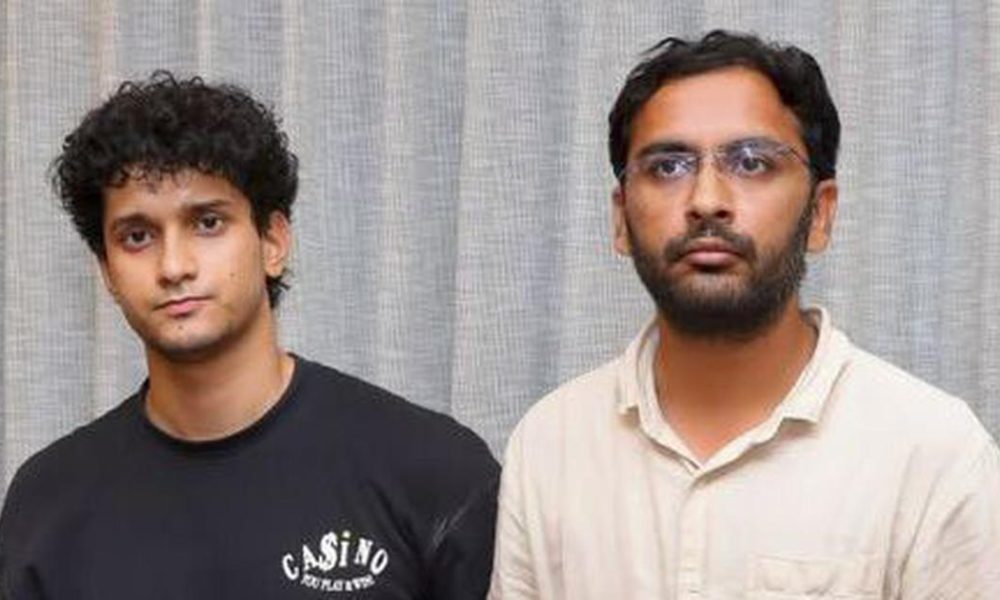
A special executive magistrate court in Delhi has ordered the release of Cockroach Janta Party (CJP) leaders Ashutosh Ranka and Saurav Das, who were detained earlier this month during a protest at Jantar Mantar. The court’s decision was announced on Wednesday, marking a significant moment in the ongoing tensions between the CJP and authorities over recent political developments.
Ranka and Das, along with fellow activist Ajinkya Shinde, were arrested on October 13 after they entered the designated protest area of Jantar Mantar and waved the national flag. Their actions were part of a demonstration against the government’s recent move to denotify the location as an official site for protests—a decision that has drawn criticism from various political groups and civil society. The CJP has been vocal in demanding the resignation of Chief Election Commissioner Gyanesh Kumar, citing concerns over the integrity of the Election Commission, particularly regarding its management of the electoral roll’s revision process.
Initially, Ranka and Das were remanded to judicial custody for five days following their arrest. Shinde, however, was released shortly after on a personal bond. Despite their custody period concluding on Monday, a Delhi court decided to extend Ranka and Das’s detention for an additional two days, which finally came to an end on Wednesday with the ruling in their favor. The magistrate accepted their sureties and ordered their release, rejecting the Delhi Police’s request for a further extension of custody by three days.
The Cockroach Janta Party has raised concerns about the treatment of its leaders, alleging that there was an intentional delay in their release by the authorities. The party’s protests have not only focused on the political handling of election processes but have also resonated with broader demands for transparency and accountability within India’s electoral institutions. The situation highlights the ongoing political discourse in the capital, where opposition parties and student groups continue to rally for reform in the face of perceived governmental overreach.
As the political climate remains charged, the CJP’s actions at Jantar Mantar and the subsequent legal developments have sparked discussions about the right to protest and the government’s response to dissent. With the release of Ranka and Das, the spotlight will likely remain on the CJP and other opposition groups as they navigate the complexities of India’s political landscape.
Source: scroll.in






No Comment! Be the first one.