

Judicial Custody of Cockroach Janta Party Leaders Extended Amid Controversy
A Delhi court has decided to extend the judicial custody of Cockroach Janta Party (CJP) leaders Ashutosh Ranka and Saurav Das for an additional two days, following their arrest during a protest on...

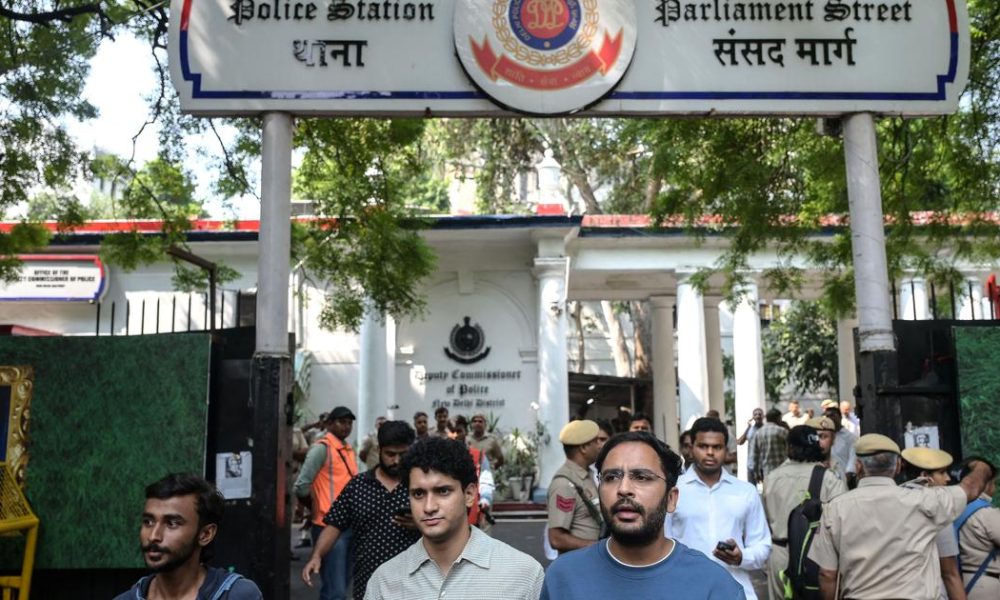
A Delhi court has decided to extend the judicial custody of Cockroach Janta Party (CJP) leaders Ashutosh Ranka and Saurav Das for an additional two days, following their arrest during a protest on October 13. The court’s decision was made during a hearing on Monday, with the next session scheduled for Wednesday. This extension of custody has raised concerns regarding the treatment of political dissenters in the city.
Ranka and Das, alongside fellow campaigner Ajinkya Shinde, were apprehended after they allegedly entered Jantar Mantar, a site traditionally used for protests, and displayed the national flag. Their actions were a direct response to the government’s announcement to remove the area’s designation as a protest venue, a decision that many activists have criticized for stifling public expression. While Shinde was released on a personal bond following the initial five days of custody, Ranka and Das were not as fortunate.
On the day their initial custody period expired, the leaders were presented before a special executive magistrate. The Delhi Police requested an extension of their judicial custody, which the magistrate granted, prompting protests from the CJP and their supporters. Ratna Singh, another party leader, condemned the court’s decision, labeling it a “mockery of the justice system.” Singh emphasized that such actions undermine democratic principles and the right to peaceful protest.
Abhik Chimni, the legal representative for Ranka and Das, argued that the proceedings lacked a legitimate basis, highlighting that the court itself had noted there was no necessity for their continued detention. He expressed disappointment with the ruling, framing it as a form of preventive custody rather than a response to any criminal activity. The legal community and public observers are now closely watching the developments of the case, which could set a precedent for how dissent is treated in India.
The situation highlights a broader concern regarding the state of civil liberties in India, particularly in the context of political protests. As the government continues to face criticism over its handling of dissent, the outcome of this case could have significant implications for future protests and the rights of citizens to assemble and express their views.
Source: scroll.in







No Comment! Be the first one.