

India Faces Rising Threat of Infectious Diseases Linked to Climate Change
Extreme weather phenomena in India, such as heatwaves, droughts, and erratic rainfall, are not just causing immediate destruction but are also significantly altering the landscape of infectious...

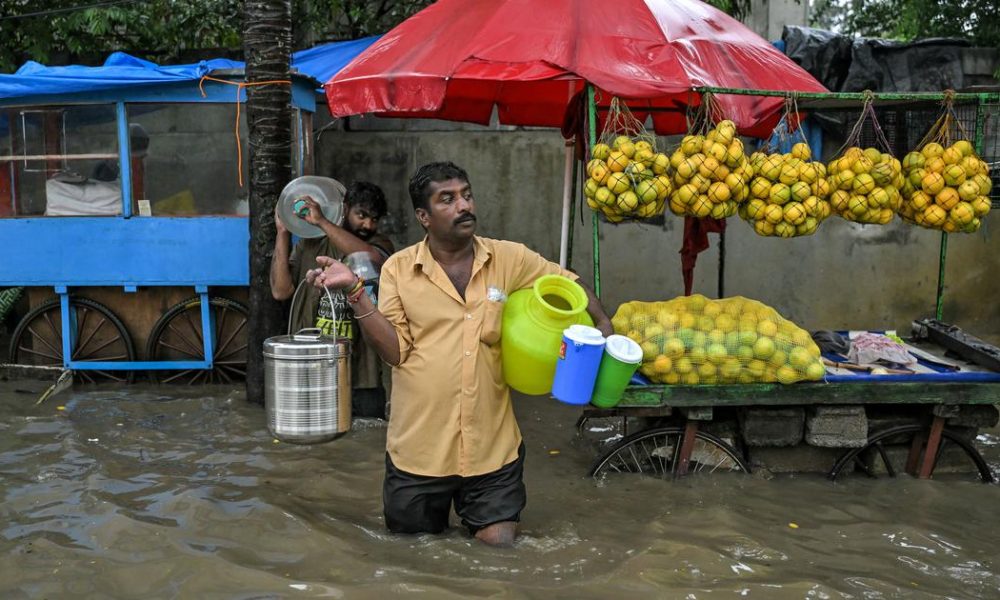
Extreme weather phenomena in India, such as heatwaves, droughts, and erratic rainfall, are not just causing immediate destruction but are also significantly altering the landscape of infectious diseases. The Intergovernmental Panel on Climate Change (IPCC) has issued a stark warning, indicating that the frequency and intensity of such extreme weather events are expected to escalate in the coming years. According to a 2025 report by IPE Global and Esri India, heatwaves may become twice as frequent in major cities and extreme rainfall events may increase by a staggering 43% nationwide by 2030.
These climatic changes have profound implications for public health. The interplay of rising temperatures and unpredictable precipitation patterns is likely to create ideal environments for pathogens to thrive. Health experts emphasize the necessity of shifting our approach from merely responding to these climate-related outbreaks to implementing proactive measures aimed at prevention. The combination of heat and heavy rainfall can create circumstances that facilitate the emergence and spread of various diseases.
In recent years, India has already witnessed some of the most devastating floods, such as those that struck Kerala in 2018 and Mumbai in 2025. The World Meteorological Organization has highlighted that the past decade has recorded some of the worst flooding events globally. Such extreme weather not only devastates infrastructure but also fosters a closer interaction between humans, animals, and pathogens, increasing the likelihood of disease outbreaks in new and unexpected regions.
Moreover, the health impacts are not limited to infectious diseases. The psychological and social implications of extreme weather can also lead to increased mental health issues and disruption of healthcare services. As India braces for the looming threats posed by climate change, it is crucial for stakeholders, including policymakers and health professionals, to collaborate in developing comprehensive strategies that prioritize climate resilience in public health.
As we move forward, it will be essential to integrate climate change considerations into health policies and planning. This proactive approach can help mitigate the risks associated with the increasing incidence of infectious diseases, ensuring that communities are better prepared to face the challenges posed by a rapidly changing environment.
Source: scroll.in







No Comment! Be the first one.