

New WHO Study Reveals Infection-Linked Cancer Cases Could Reach 12% Globally in 2024
A groundbreaking study by the World Health Organization has unveiled that approximately 12% of global cancer cases in 2024 may be attributed to infections. This research, recently published in The...

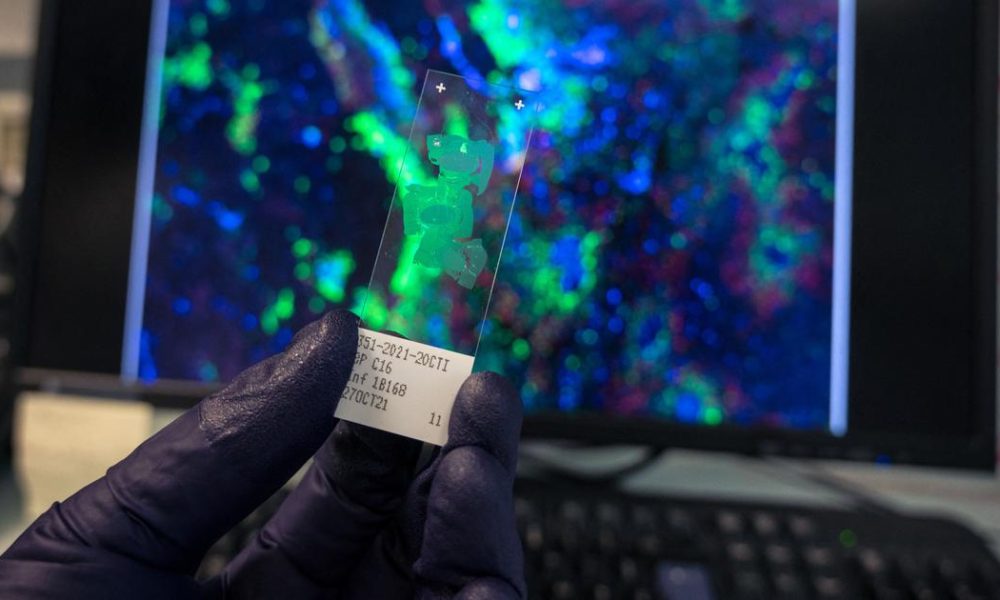
A groundbreaking study by the World Health Organization has unveiled that approximately 12% of global cancer cases in 2024 may be attributed to infections. This research, recently published in The Lancet Oncology, delves into the correlation between various cancers and infectious agents, shedding light on a significant yet often overlooked aspect of cancer causation.
The alarming findings indicate that around 2.3 million new cancer diagnoses could be linked to infections, primarily from five key pathogens: Helicobacter pylori (4%), human papillomavirus (HPV) (4%), hepatitis B virus (2%), Epstein-Barr virus (1%), and hepatitis C (less than 1%). These infectious agents have been associated with more than 20 distinct cancer types, including stomach, liver, blood, and cervical cancers, raising critical questions about prevention strategies.
But how exactly do infections lead to cancer? The link between certain infections and cancer has been established for years, with researchers exploring this connection for nearly three decades. Previous studies conducted in 1990, 2002, 2008, 2012, and 2018 have suggested varying proportions of cancer cases caused by infections. While earlier data indicated a peak of 18% in 2002, the authors of the recent study caution against drawing direct comparisons across these years due to discrepancies in data source and quality.
The primary objective of the latest research is not to focus on the fluctuations over time but to emphasize the urgent need for effective measures to control and prevent infections that can lead to cancer. In countries like India, where the burden of cancer is significant, understanding these links is crucial for public health initiatives. Enhanced vaccination programs for HPV and hepatitis B, alongside improved sanitation and health education, could play a pivotal role in reducing infection-related cancer cases.
Moreover, the study highlights the potential of preventive healthcare, urging governments and health organizations to prioritize strategies aimed at mitigating the risks posed by these infectious agents. As awareness grows regarding the preventable nature of certain cancers, there remains hope that proactive measures can significantly decrease the incidence of infection-related malignancies.
Source: scroll.in







No Comment! Be the first one.