

Delhi Sealed Off Amid Controversy Surrounding Chief Election Commissioner Gyanesh Kumar
In a striking display of security measures, Delhi’s Connaught Place witnessed an overwhelming police presence this Saturday as the city was effectively sealed off to thwart potential protests...

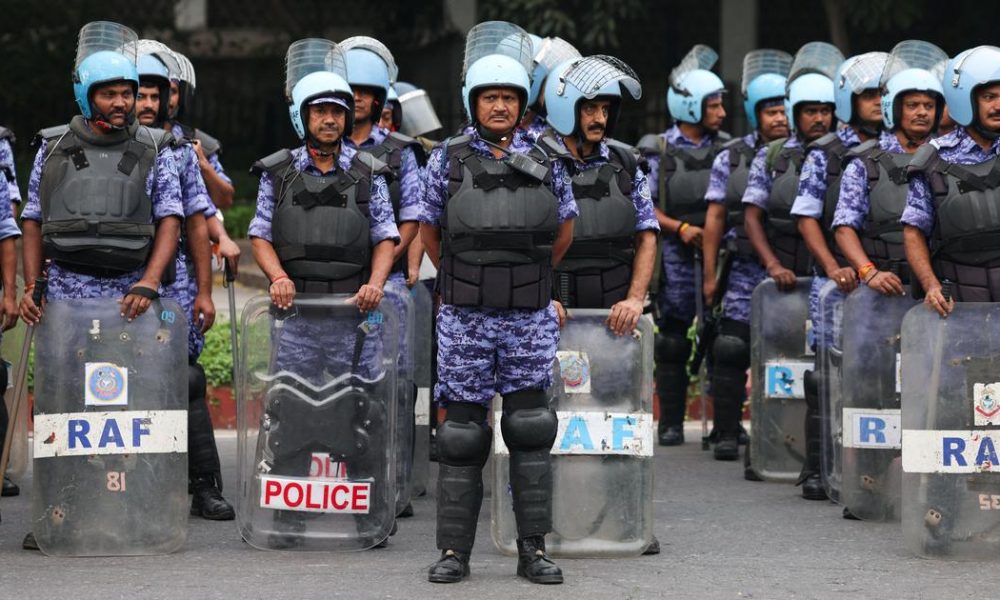
In a striking display of security measures, Delhi’s Connaught Place witnessed an overwhelming police presence this Saturday as the city was effectively sealed off to thwart potential protests against Chief Election Commissioner Gyanesh Kumar. The air was filled with the monotonous announcements from police loudspeakers, warning citizens to disperse and adhere to police directives. The atmosphere was tense, with paramilitary forces on high alert, ready to respond to any signs of dissent.
The extraordinary security arrangements were set in place to prevent demonstrators from expressing their grievances regarding allegations against Kumar, which claim he has manipulated voter registration lists to benefit the ruling Bharatiya Janata Party (BJP). This situation has prompted widespread public concern about the integrity of the electoral process in India, a core tenet of its democracy.
To further tighten control, the Delhi Police established multiple layers of barricades around the city center and shut down nearby metro stations, effectively restricting access to Jantar Mantar, a legally recognized site for protests just a short distance away. In addition, the government cancelled numerous trains heading to Delhi, aiming to deter protesters from arriving from other states, thereby showcasing a level of pre-emptive action not often seen in the capital.
This recent move by the Modi administration has led to heightened discussions about the implications of such heavy-handed tactics on civil liberties and democratic rights in India. Critics argue that such authoritarian measures are a troubling signal of the current government’s willingness to suppress dissenting voices in the name of maintaining order and safety.
As Delhi remains on high alert, citizens are left to grapple with the broader ramifications of these events, reflecting the ongoing tension between governance and individual freedoms in the world’s largest democracy. The situation continues to unfold, raising critical questions about the future of political dissent and democratic engagement in the country.
Source: scroll.in





No Comment! Be the first one.