

Understanding the Impact of Transport Restrictions on India’s Democratic Protests
Throughout India’s history, transport disruptions have emerged as a prominent strategy in protest movements. From farmers blocking highways to labor unions organizing chakka jams, these actions...

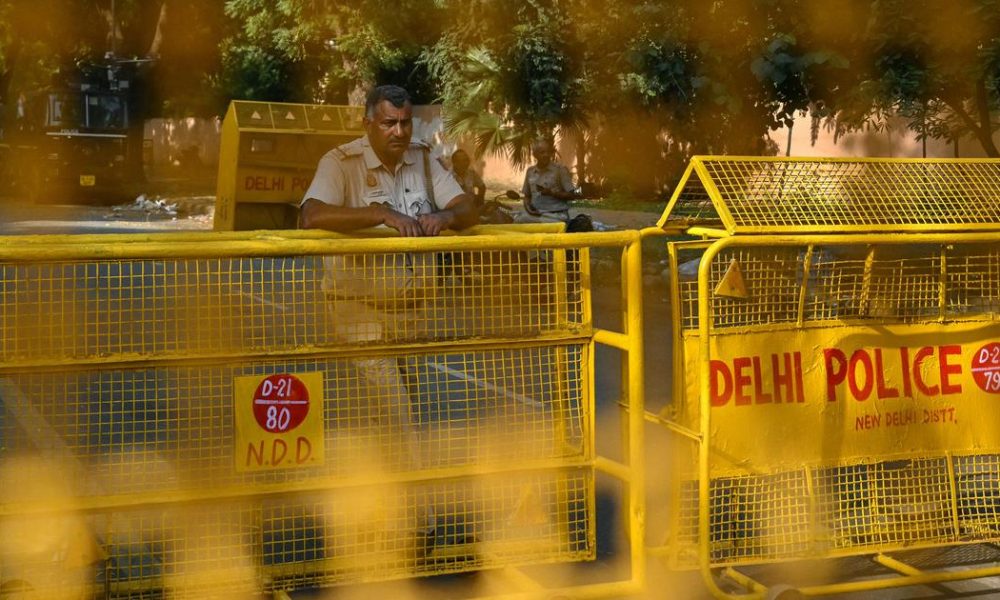
Throughout India’s history, transport disruptions have emerged as a prominent strategy in protest movements. From farmers blocking highways to labor unions organizing chakka jams, these actions resonate deeply in a country where the right to protest is both a constitutional guarantee and a tool for social change. The underlying rationale is clear: when daily commutes are hindered, the urgency of the political message becomes impossible to overlook. Yet, these tactics often draw ire for the inconveniences they impose on everyday citizens.
State responses to such protests have been equally robust, frequently involving the imposition of mobility restrictions. Over the years, authorities have barricaded roads, cordoned off protest sites, and limited access to urban areas under the pretext of maintaining public order. The 2020-’21 farmers’ protests exemplified this trend, with Delhi’s borders fortified through extensive measures including ditches, concrete barriers, razor wire, and even iron spikes placed on roads to thwart movement.
Currently, on October 10, the scale of mobility restrictions appears unprecedented. Authorities have implemented simultaneous limitations across various transport modes, including roads, long-distance trains, local buses, and the Delhi Metro. This strategic blockade is aimed at preventing protestors from rallying in the national capital to demand the resignation of Chief Election Commissioner Gyanesh Kumar. The discontent revolves around allegations regarding the handling of the special intensive revision of electoral rolls, raising questions about transparency and electoral integrity.
The implications of such transport restrictions extend well beyond mere inconvenience. They raise critical questions about the balance between maintaining public order and upholding democratic freedoms. When the state employs extensive measures to restrict movement, it not only hampers the efficacy of protests but also risks alienating citizens who may feel that their right to assemble and voice dissent is being curtailed. This tension highlights a significant aspect of contemporary Indian politics, where the struggle for meaningful engagement often collides with state power.
As India navigates these complex dynamics, the ongoing protests and the state’s response may set precedents for future civil actions. The public’s reaction to these restrictions, coupled with the broader discourse on civil liberties, will undoubtedly shape the political landscape in the coming months. In a vibrant democracy such as India, the intertwining of protest, mobility, and state response continues to be a critical axis of political dialogue.
Source: scroll.in



No Comment! Be the first one.