

The Struggles and Resilience of Indian Workers in the French Caribbean
In November 1888, a steamship named Nantes-Bordeaux embarked from Indian shores, carrying 597 individuals from Calcutta, Pondicherry, and Karaikal. These men, women, and children were in search of...

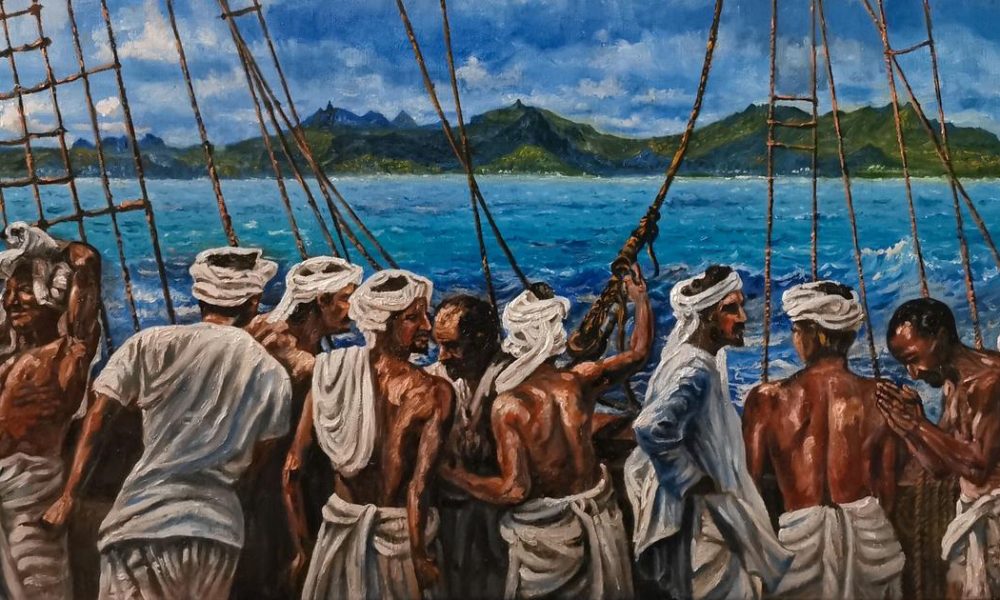
In November 1888, a steamship named Nantes-Bordeaux embarked from Indian shores, carrying 597 individuals from Calcutta, Pondicherry, and Karaikal. These men, women, and children were in search of better opportunities in Guadeloupe, hoping that a few years of work on sugar plantations would lift them out of poverty. Unfortunately, their journey was fraught with peril and hardship.
Shortly after setting sail, the Nantes-Bordeaux encountered severe mechanical issues near Cape Guardafui, leading to an unexpected stop at Aden. Passengers were stranded for an entire month while repairs were undertaken. During this taxing period, many suffered from scurvy, a debilitating condition due to a lack of vitamin C. Tragically, by the time the ship finally docked in Guadeloupe, four infants, two women, and one man had perished during the voyage, and two distressed men jumped overboard in despair.
This harrowing journey was merely a prelude to the systemic exploitation that awaited these workers in the Caribbean. The French colonial government had begun recruiting Indian indentured laborers following the abolition of slavery in 1848 to combat severe labor shortages in their sugarcane fields. The brutal working conditions on the plantations starkly contrasted with the hopes these workers harbored. Many had previously lived in the Caribbean and chose to return despite the challenges, as life back in India presented its own set of economic and social obstacles.
By 1889, the number of Indian laborers in the Caribbean had swelled to over 15,000. These individuals faced grueling work hours, inadequate living conditions, and systemic abuse that often went unreported. Yet, many chose to endure these hardships, motivated by the possibility of earning enough to improve their families’ circumstances back home. The cycle of indentured servitude became a complex narrative of resilience amidst adversity.
The story of Indian workers in the French Caribbean is a crucial chapter in the broader context of migration and labor history, reflecting the lengths to which people would go to seek a better life. It also highlights the ongoing struggles for dignity and rights that many migrant workers continue to face across the globe today.
Source: scroll.in







No Comment! Be the first one.