

Delhi Police Detain Journalist Near Home Before Planned Protest Coverage
In a concerning incident that raises questions about press freedom in India, journalist Shoaib Daniyal was detained by Delhi Police while attempting to travel to Jantar Mantar, a significant site for...

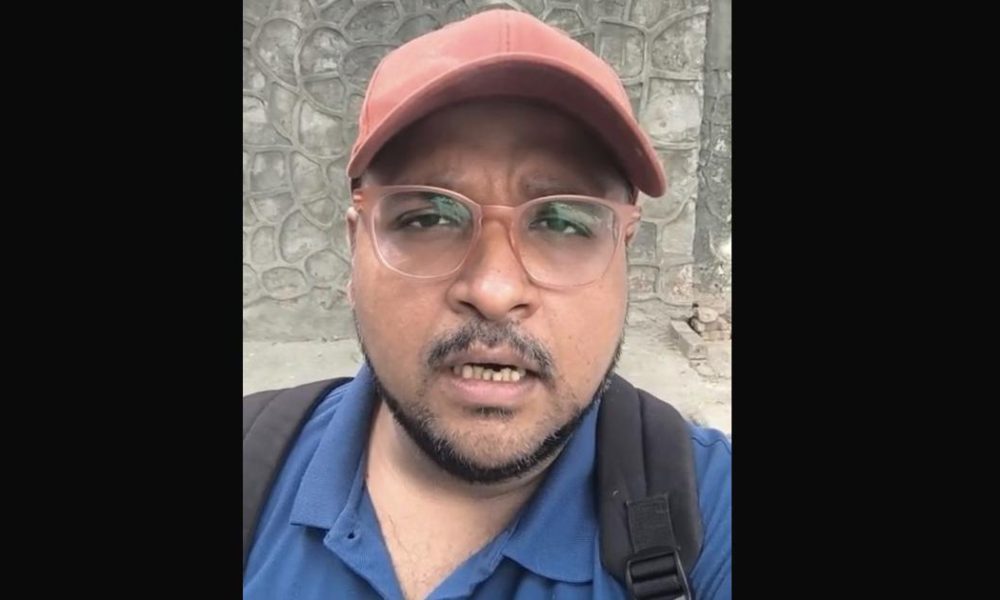
In a concerning incident that raises questions about press freedom in India, journalist Shoaib Daniyal was detained by Delhi Police while attempting to travel to Jantar Mantar, a significant site for public demonstrations. The event unfolded around 1 PM when Daniyal was waiting outside his residence in South Delhi for a taxi to cover a protest scheduled at the location, situated over 20 kilometers away.
As he awaited his ride, Daniyal noticed a police checkpost established right outside his home, prompting him to approach a nearby officer for clarification. His query about the police presence was met with suspicion, leading to a search of his belongings and the recording of his personal information, including a photograph of his Aadhaar card. This encounter escalated quickly, as the officers determined to detain him.
Following the initial encounter, Daniyal was taken into custody along with another officer, who summoned a police bus to transport him. However, rather than being taken to a police station, the bus halted just a short distance from his home, where he remained for over an hour. During this time, the officers attempted to coerce him into deleting videos captured on his phone that documented the detention process.
This incident highlights ongoing concerns regarding the treatment of journalists in the country, especially during times of heightened police activity surrounding public gatherings. The preventive measures taken by law enforcement raise significant questions about the balance between maintaining public order and respecting the rights of individuals, including the media’s role in reporting on such events.
As protests and demonstrations continue to be a vital part of political expression in India, the implications of such detentions could have chilling effects on the freedom of the press and the public’s ability to engage in civil discourse. The need for a transparent dialogue on police conduct and the protection of press freedoms is more urgent than ever, especially as the nation navigates complex socio-political landscapes.
Source: scroll.in




No Comment! Be the first one.