

Supreme Court Intervenes to Keep Delhi Metro Operational Amid Planned Protests
The Supreme Court of India intervened on Saturday to prevent the complete shutdown of metro services in Delhi during a planned protest at Jantar Mantar against Chief Election Commissioner Gyanesh...

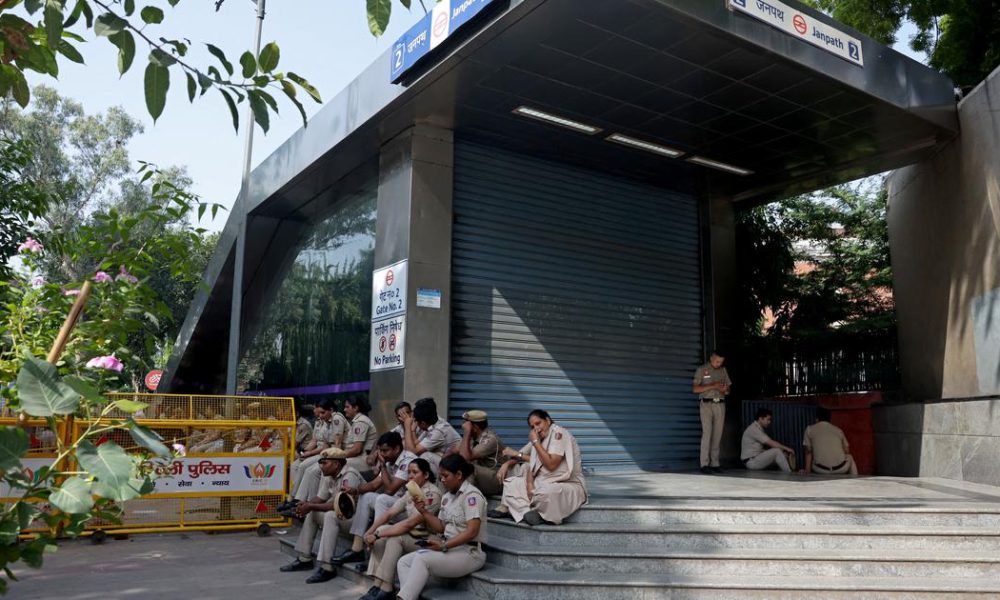
The Supreme Court of India intervened on Saturday to prevent the complete shutdown of metro services in Delhi during a planned protest at Jantar Mantar against Chief Election Commissioner Gyanesh Kumar. The court directed that metro and other railway operations should continue in a regulated manner to minimize public inconvenience, highlighting the importance of accessibility even during periods of civil unrest.
Prior to this ruling, the Delhi Metro Rail Corporation (DMRC) announced that entry and exit points at 57 metro stations would be closed from 9 PM on Friday until Saturday. However, with the Supreme Court’s directive, it remains uncertain if DMRC will alter its initial closure notification. The bench acknowledged the Union government’s commitment to urge authorities to reassess the blanket closure in light of proportionality principles, emphasizing the need for a balanced approach to security and public access.
The protests were organized in response to various electoral issues, which have become a focal point of public discontent. In preparation for the anticipated demonstrations, a significant number of train services were affected, with all mail and express trains scheduled to arrive at New Delhi or Hazrat Nizamuddin stations between 4 AM and 2 PM on Saturday canceled from their source stations. Additionally, trains due to depart for these stations post 2 PM on Friday were also canceled, creating a ripple effect across the rail network.
In a show of force, approximately 23,000 security personnel were deployed throughout the national capital as a precautionary measure. The Delhi Police and other agencies heightened security measures, effectively transforming Delhi into a fortified zone in anticipation of the protests. Public areas and key junctions were closely monitored to ensure that the demonstrations remained peaceful.
The Supreme Court’s ruling has been welcomed by commuters and civil society activists alike, who argue that while protests are a vital part of democratic expression, the right to mobility should not be compromised. As the situation evolves, the focus remains on balancing the right to protest with the public’s right to safe and reliable transport services in one of the busiest cities in India.
Source: scroll.in







No Comment! Be the first one.