

Supreme Court Justice Critiques Voter Deletion Process Amid Electoral Roll Revision Concerns
In a significant statement that raises alarms over the integrity of the electoral process, Supreme Court Justice Ujjal Bhuyan has characterized the ongoing special intensive revision of electoral...

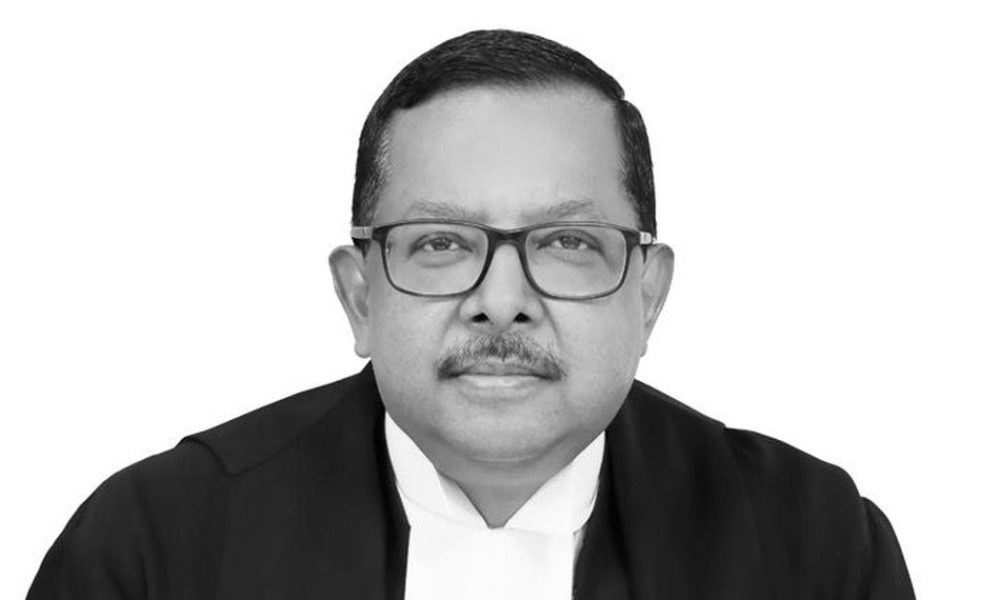
In a significant statement that raises alarms over the integrity of the electoral process, Supreme Court Justice Ujjal Bhuyan has characterized the ongoing special intensive revision of electoral rolls as fundamentally arbitrary. Speaking at the National Academy of Legal Studies and Research in Hyderabad, Bhuyan expressed deep concerns that this exercise might disenfranchise genuine voters, thus undermining their constitutional rights.
Justice Bhuyan emphasized that any procedure leading to the disenfranchisement of Indian citizens is inherently flawed, stating, “No amount of whataboutery can justify it.” He elaborated that such actions strike at the core of India’s constitutional framework, suggesting that they represent an unacceptable deviation from democratic norms. His remarks come against the backdrop of a worrying trend, with reports indicating that approximately 13.8 crore voters have been removed from the electoral rolls across 31 states and Union Territories.
Adding to the discourse, former Supreme Court judge Rohinton Fali Nariman voiced similar concerns, criticizing the Election Commission’s handling of the voter deletion process. Nariman remarked, “The Election Commission cannot malfunction like this,” reflecting a growing frustration among legal experts and citizens alike regarding the commission’s operational transparency and accountability. The rising tension has led to widespread protests in various parts of the country, with demonstrators calling for the resignation of Chief Election Commissioner Gyanesh Kumar.
Justice Bhuyan further underscored the sanctity of the right to vote, linking it to India’s freedom struggle. He insisted that no individual’s name should be removed from electoral rolls without due process—namely, proper notice and an opportunity to be heard—unless the individual has passed away. This assertion reinforces the need for a fair and just electoral process, one that adheres to the principles of democracy and protects the rights of all citizens.
The concerns raised by these esteemed judges highlight a critical intersection of legal integrity and electoral democracy. As India prepares for its upcoming elections, the need for a robust electoral framework that prioritizes transparency and inclusiveness has never been more pressing. Citizens and legal experts alike are calling for immediate reforms to ensure that the electoral process remains accessible and fair for every eligible voter.
Source: scroll.in







No Comment! Be the first one.