

El Niño’s Impact: Unprecedented Droughts and Floods Across the Globe
The Pacific Ocean is experiencing an unprecedented rise in temperatures, leading to one of the strongest El Niño phenomena recorded this year. Meteorological experts predict that this weather event...

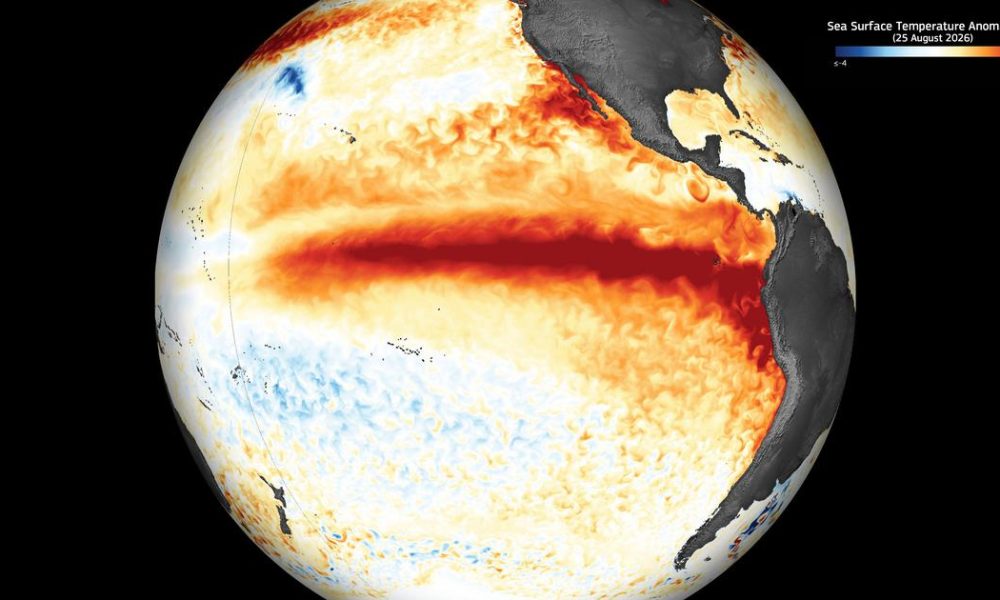
The Pacific Ocean is experiencing an unprecedented rise in temperatures, leading to one of the strongest El Niño phenomena recorded this year. Meteorological experts predict that this weather event will intensify further as it approaches its peak around December. El Niño, characterized by its warm phase in Earth’s climate cycle, significantly affects global weather patterns, resulting in severe droughts in some areas while triggering heavy rainfall and flooding in others.
This complex weather pattern originates from the interaction between the Pacific Ocean’s surface temperature and atmospheric conditions. Typically, trade winds in the tropical Pacific blow from east to west, moving warm surface water towards the western Pacific, particularly around Indonesia. This movement of warm water displaces colder water from the depths of the ocean, a process known as upwelling, which is why temperatures in the western Pacific are generally higher than in the east.
As the water warms, it leads to increased evaporation, similar to how heat from a stove causes water to turn into steam. This warmer water not only generates more moisture but also heats the air above it, resulting in less dense air. Consequently, this shift creates various climatic effects across the globe. Some regions, particularly those on the eastern side of the Pacific, may experience significant drought conditions due to the lack of moisture-laden air, while others, particularly in the western Pacific, are left vulnerable to torrential rains and subsequent flooding.
This year’s El Niño event raises concerns for several countries, including parts of India, where erratic weather patterns could affect agricultural productivity. Farmers and policymakers are keenly observing these developments, as variations in rainfall can drastically impact crop yields and food security. The unpredictability of El Niño’s influence underscores the need for adaptive strategies to mitigate its adverse effects, particularly in agriculture-dependent economies.
As we move towards the peak of this weather phenomenon, it is crucial for nations to prepare for its diverse impacts. Understanding the mechanisms behind El Niño and its global repercussions can help countries better equip themselves for the challenges that lie ahead. Enhanced weather forecasting, improved irrigation techniques, and community awareness programs will play pivotal roles in navigating this climatic upheaval.
Source: scroll.in







No Comment! Be the first one.