

Protests Erupt in Delhi and Mumbai Demanding Resignation of Election Commissioner Gyanesh Kumar
In a significant display of dissent, protests erupted in both Delhi and Mumbai as political leaders and citizens rallied for the resignation of Chief Election Commissioner Gyanesh Kumar. The...

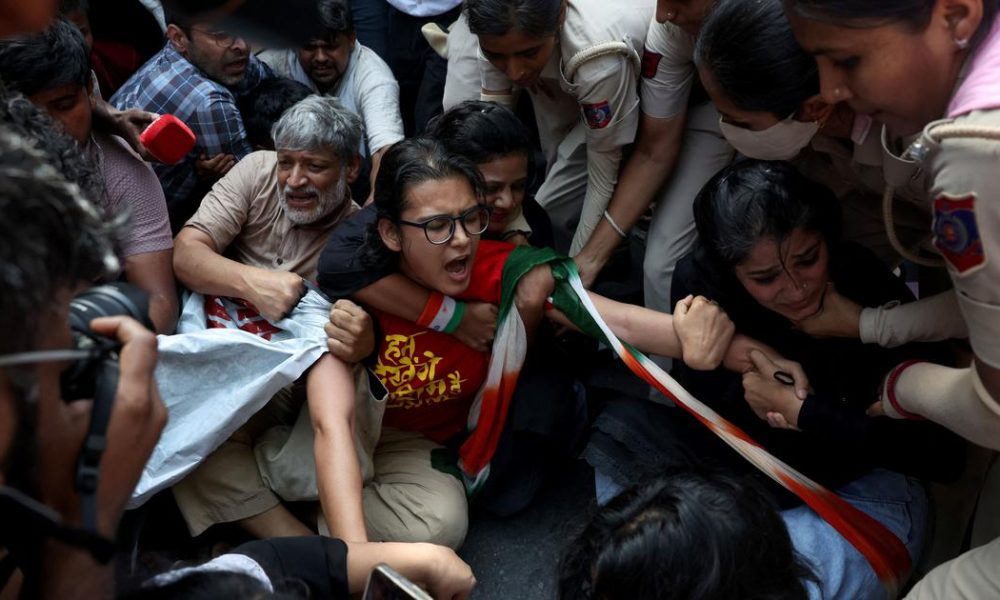
In a significant display of dissent, protests erupted in both Delhi and Mumbai as political leaders and citizens rallied for the resignation of Chief Election Commissioner Gyanesh Kumar. The demonstrations, organized predominantly by the Aam Aadmi Party (AAP), saw prominent figures like Saurabh Bharadwaj and Atishi detained by Delhi Police close to the iconic Jantar Mantar, a site known for political activism in the capital. The authorities responded by imposing restrictions, including internet bans and barricading the area to prevent the protest from escalating.
Concerns surrounding the Election Commission’s management, particularly regarding the recent comprehensive revision of electoral rolls, have fueled the public outcry. In Mumbai, the Cockroach Janta Party joined the protests, raising alarms about the deletion of millions from the electoral rolls during this revision process. Protesters argue that this action could undermine democracy, disenfranchising countless eligible voters.
As the protests unfolded, the national political climate intensified. The Election Commission’s handling of the electoral roll revisions has come under scrutiny, with critics claiming that the process lacks transparency and could be influenced by political agendas. This has prompted calls from various political factions for accountability and reform within the Commission.
In a related incident, Deepak Kumar, a gym owner from Dehradun known for his vocal criticism of alleged harassment faced by an elderly Muslim shopkeeper, found himself in legal trouble after an alleged altercation with a local trader. The confrontation arose after Kumar made a social media post regarding the demolition of a mosque by municipal authorities in Ujjain, linked to an upcoming Hindu religious event, the Simhastha Kumbh Mela. The situation escalated when the complainant, Sanjeev Tonk, reportedly confronted Kumar about the post, leading to an alleged assault.
The arrest of Kumar has raised questions about free speech in India, particularly concerning sensitive communal issues. Supporters of Kumar argue that his actions were a response to communal intolerance, while critics urge for a thorough investigation into the incident. As these events unfold, the ramifications for political discourse and communal harmony in India continue to be a pressing concern.
Source: scroll.in






No Comment! Be the first one.