

India Faces 12.6% Rainfall Deficit as Monsoon Concludes, Marking Driest Season in Over a Decade
The southwest monsoon has officially concluded, leaving behind a significant 12.6% deficit in rainfall, as reported by the India Meteorological Department (IMD). This year’s monsoon season is...

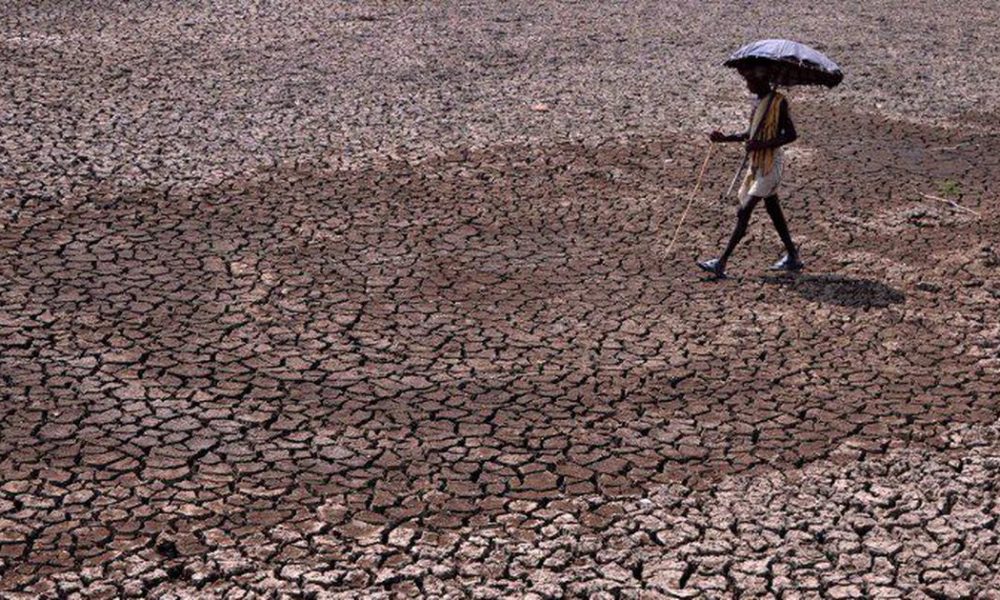
The southwest monsoon has officially concluded, leaving behind a significant 12.6% deficit in rainfall, as reported by the India Meteorological Department (IMD). This year’s monsoon season is characterized as the driest in 11 years, and it ranks fourth in terms of low rainfall since the start of this century. The monsoon typically ushers in vital precipitation across India, which is crucial for agriculture and water supply, but this season has been particularly disappointing.
Starting its journey on June 4, the southwest monsoon was delayed by three days beyond its usual onset of June 1. The monsoon reached its full coverage across the nation by July 9, again a day later than the expected July 8. According to the IMD, the cumulative rainfall during this period amounted to 759.4 mm, falling short of the long-period average of 868.6 mm, which is based on data from the past 50 years.
Breaking down the rainfall figures, the IMD noted that various regions experienced differing levels of precipitation. Northwest India recorded 94.1% of its long-period average, while central India fared slightly better with 97%. In stark contrast, the southern Peninsula saw only 74% of its expected rainfall, a worrying trend that suggests potential drought-like conditions. The northeastern states, too, received only 74% of what is normally expected, marking eastern and northeastern India’s rainfall at 1,017.1 mm — the lowest since 1901. This decline in rainfall across the northeastern region has been persistent and raises concerns about the long-term impacts on agriculture and local ecosystems.
As the drought conditions deepen, farmers and local communities are bracing for the implications of this deficient rainfall. With many regions relying heavily on the monsoon for irrigation and crop production, the impact on food security and rural livelihoods could be profound. Experts are urging governments and policymakers to devise strategies that include water conservation and alternative farming practices to mitigate the repercussions of such climatic anomalies.
In light of these development patterns, the Indian government will need to focus on enhancing its disaster management strategies, particularly as climate change continues to influence weather patterns unpredictably. The IMD’s findings highlight a pressing need for comprehensive efforts to address water management and agricultural resilience in the face of changing monsoon dynamics.
Source: scroll.in







No Comment! Be the first one.