

Political Cartoonists Rally Against Meta’s Restrictions on Satire in India
In a significant turn of events, prominent political cartoonists in India have expressed their outrage after Meta, the parent company of Instagram, imposed restrictions on the works of artists Satish...

In a significant turn of events, prominent political cartoonists in India have expressed their outrage after Meta, the parent company of Instagram, imposed restrictions on the works of artists Satish Acharya and Manjul. This action came following a legal request from the Indian government concerning their satirical illustrations about the Election Commission. The incident underscores ongoing tensions between artistic freedom and governmental oversight in India.
Acharya’s Instagram account has faced limitations within India, limiting access to his politically charged cartoons. Manjul, another leading figure in the realm of political satire, reported that one of his artworks addressing the Election Commission was similarly restricted based on a notice from Indian law enforcement agencies. Both cartoonists have become symbols of the struggle for free expression in a climate that increasingly scrutinizes critical voices.
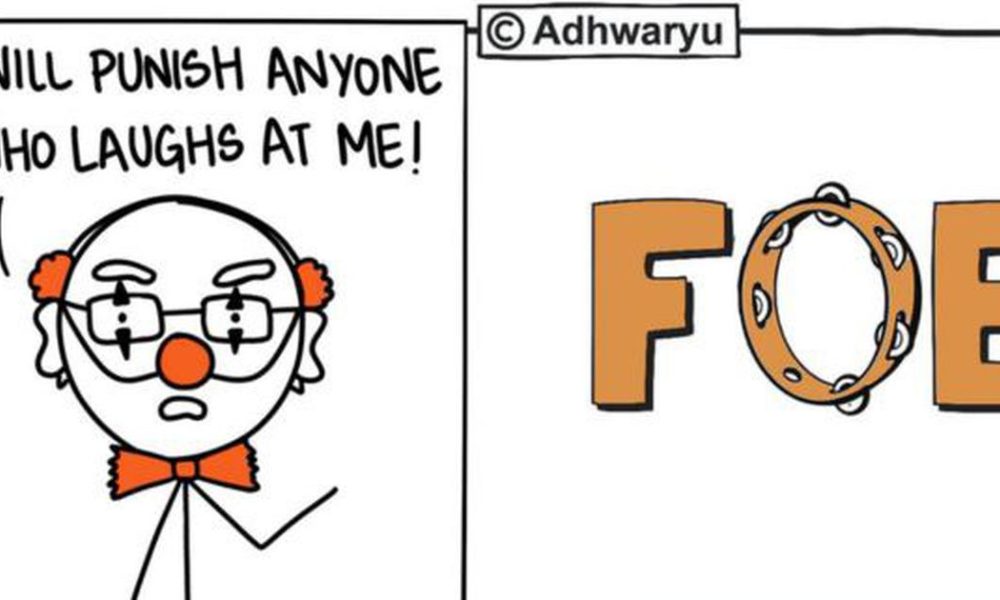
In response to the restrictions, fellow artists and supporters have rallied behind Acharya and Manjul, utilizing their platforms to advocate for the freedom of satire. Rachita Taneja, known as “Sanitary Panels,” cleverly criticized Prime Minister Narendra Modi’s reaction to satire through her own cartoon. Other artists, such as Sandeep Adhwaryu, chief cartoonist at The Times of India, emphasized the importance of freedom of expression, using visual metaphors to connect Modi’s public appearances with the current discourse surrounding censorship.
Adhwaryu’s recent cartoon featured a tambourine replacing the letter “O,” a direct nod to Modi’s attendance at a bhajan clubbing event in Delhi, where he was seen playing the instrument. Sajith Kumar from Deccan Herald also joined the chorus, mocking the Prime Minister’s perceived inability to handle pointed jokes. Kumar’s cartoon further illustrates a critical artistic response to the suppression the cartoonists are facing.
This incident has ignited discussions about the broader implications of censorship and the role of satire in Indian society. As the landscape of political commentary continues to evolve, the voices of cartoonists like Acharya and Manjul are becoming increasingly crucial in advocating for artistic freedom and challenging authority through humor and wit. The rallying cry of “satire must remain free” echoes a sentiment that resonates deeply among artists and freedom of speech advocates alike, emphasizing the need for a more open dialogue in India’s vibrant cultural tapestry.
Source: scroll.in






No Comment! Be the first one.