

Delhi High Court Refuses Bail to Umar Khalid and Sharjeel Imam in Riots Conspiracy Case
In a significant ruling, the Delhi High Court has once again denied bail to activists Umar Khalid and Sharjeel Imam, who are implicated in the 2020 riots conspiracy case. The court’s decision...

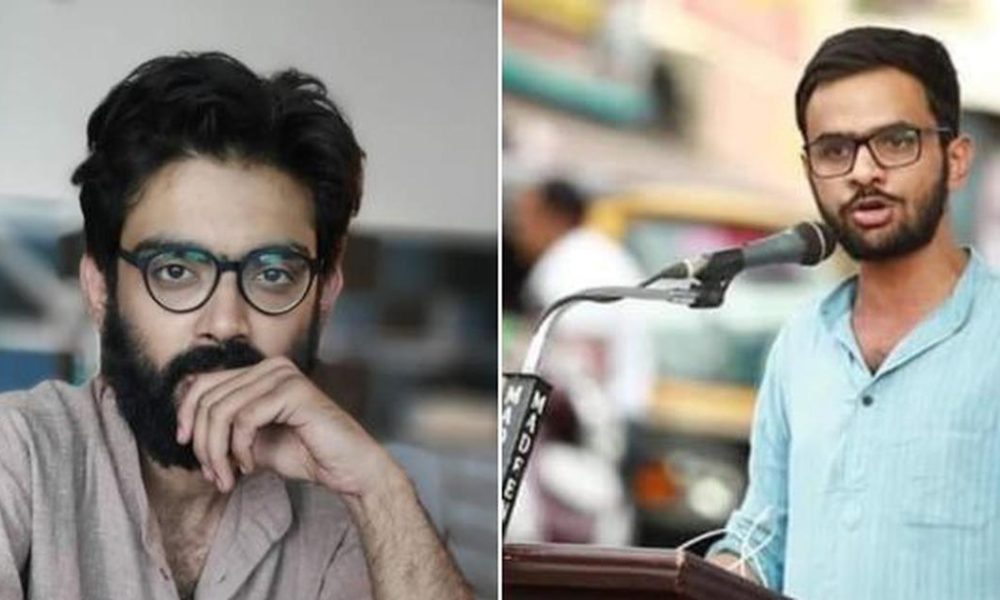
In a significant ruling, the Delhi High Court has once again denied bail to activists Umar Khalid and Sharjeel Imam, who are implicated in the 2020 riots conspiracy case. The court’s decision comes after both had previously sought bail, marking the third time their requests have been turned down. The case, which is under the stringent Unlawful Activities Prevention Act (UAPA), is still awaiting trial proceedings.
A division bench comprising Justices Prathiba M Singh and Dinesh Bhatt dismissed their appeals against a July 4 order from a lower court that also rejected their bail applications. The High Court highlighted its obligation to adhere to judicial discipline, stating that it could not alter conditions set forth by the Supreme Court in an earlier ruling from January 5, which had also denied bail to the two activists.
During the January hearing, the Supreme Court had made a distinction between Khalid and Imam, and other co-accused individuals, specifying that they could only renew their bail pleas after the testimonies of protected witnesses are completed or after a year has elapsed, whichever occurs first. This ruling emphasized that Khalid and Imam were viewed as posing a different level of risk compared to their peers in the case.
Following the latest bail denial, Khalid and Imam continue to remain in custody as their legal teams explore potential further options for appeal. The case has been a focal point of controversy, drawing attention not just for the serious charges involved, but also for the broader implications it holds regarding dissent and activism in India.
As the legal battle unfolds, many observers are keenly watching how the case develops and what it means for the rights of activists in the country. The repeated denials of bail for Khalid and Imam add to the ongoing debate about the implications of the UAPA and the state’s approach to handling dissent. With the court proceedings yet to commence, the future of the accused remains uncertain, as does the response of civil society and political entities to this high-profile case.
Source: scroll.in






No Comment! Be the first one.