

Ten Sentenced to Life for 2013 Jhiram Valley Maoist Ambush That Claimed 29 Lives
A National Investigation Agency (NIA) court has sentenced ten individuals to life imprisonment for their involvement in the notorious Jhiram Valley Maoist attack that occurred in 2013. This violent...

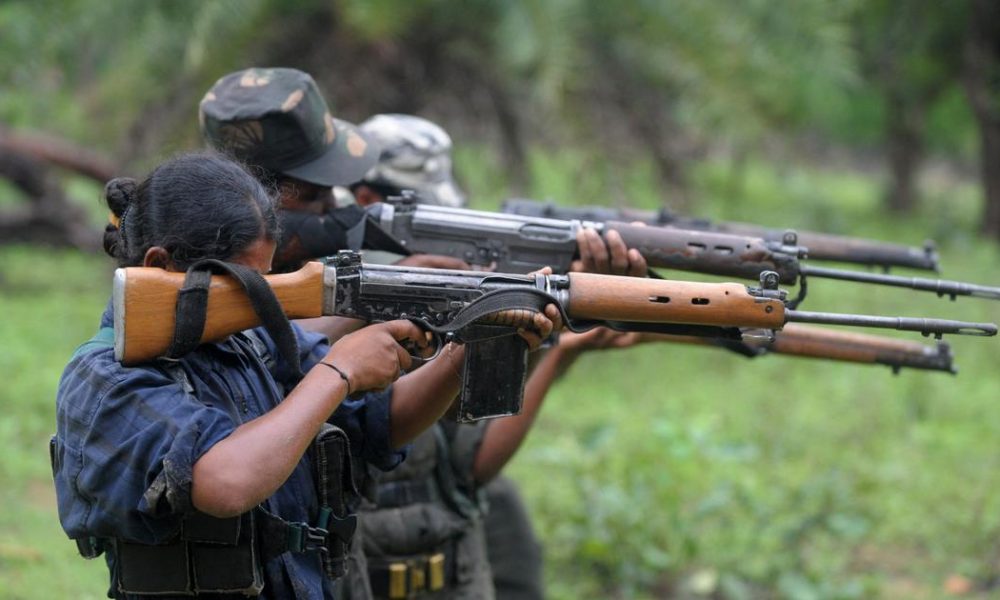
A National Investigation Agency (NIA) court has sentenced ten individuals to life imprisonment for their involvement in the notorious Jhiram Valley Maoist attack that occurred in 2013. This violent incident resulted in the tragic deaths of 29 individuals, including prominent Congress leaders, highlighting the ongoing conflicts surrounding Maoist insurgency in India.
The court’s verdict was delivered on Wednesday after the accused were found guilty on September 5 under the Unlawful Activities Prevention Act, alongside various sections of the Indian Penal Code that pertain to conspiracy and murder. The attack, which took place on May 25, 2013, involved over 150 Maoist militants ambushing a Congress convoy in Jhiram Ghati, located in the Bastar district of Chhattisgarh, just ahead of the state assembly elections.
Among the deceased were significant political figures, including Nand Kumar Patel, the then chief of the Congress party’s state unit, his son Dinesh Patel, and former MLA Uday Mudliyar. The attack also saw the loss of Mahendra Karma, a key leader known for his efforts in organizing the Salwa Judum, a state-backed militia created to counter Maoist influence. The Salwa Judum, meaning ‘purification hunt’ in the Gondi language, was launched in 2005, purportedly to protect villages perceived as supporting Maoists. However, it has faced severe criticism from human rights groups, who allege that the militia coerced villagers, leading to further violence and displacement.
The Jhiram Valley attack stands as a stark reminder of the deep-rooted tensions and complexities in the region, where tribal communities often find themselves caught in the crossfire between state forces and Maoist insurgents. The aftermath of the attack resulted in additional security measures and ongoing debates regarding the effectiveness and ethics of state-led counter-insurgency operations. While some view the Salwa Judum as a necessary response to insurgency, others argue that it has fueled further unrest and human rights violations.
The conviction of these ten individuals may serve as some measure of justice for the victims’ families, but the incident underscores the persistent challenges faced by authorities in dealing with Maoist violence in India. As the country grapples with this issue, it is crucial to strike a balance between strong law enforcement and addressing the socio-economic grievances that contribute to the rise of such insurgencies.
Source: scroll.in






No Comment! Be the first one.