

Congress Demands Overhaul of Caste Census, Legal Developments in Trinamool Congress Case
In a significant political move, Congress leaders Rahul Gandhi and Mallikarjun Kharge have formally urged Prime Minister Narendra Modi to reconsider the current caste census questionnaire. They have...

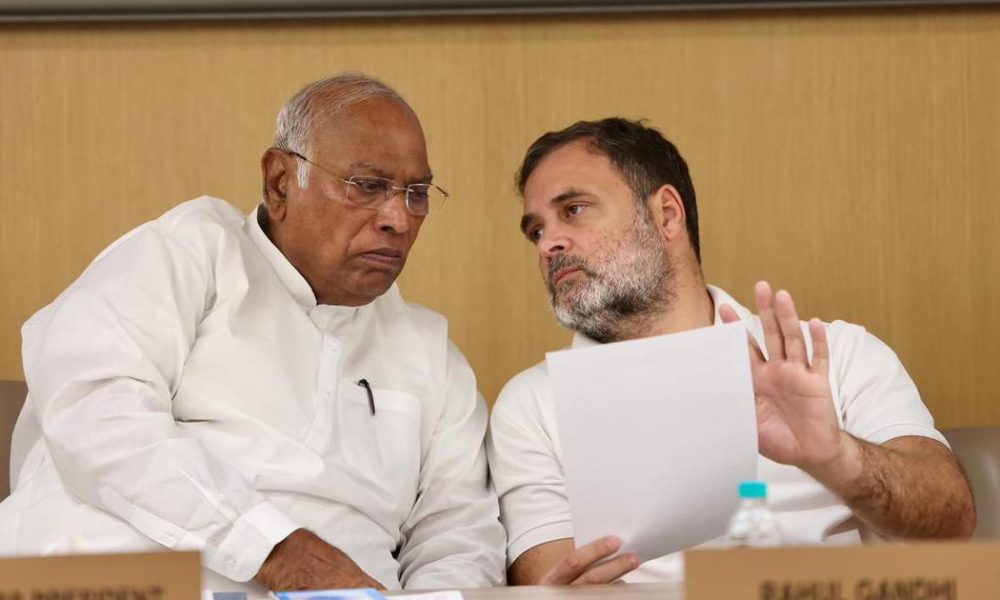
In a significant political move, Congress leaders Rahul Gandhi and Mallikarjun Kharge have formally urged Prime Minister Narendra Modi to reconsider the current caste census questionnaire. They have called for the preparation of a revised questionnaire that reflects a validated list of castes. Their concern lies with the government’s decision to pose an open-ended question for recording caste details, which they believe could lead to inconsistencies, with the same caste potentially being documented under various names, sub-castes, or regional distinctions.
To address these issues, Gandhi and Kharge have proposed an alternative approach. They suggest implementing a structured drop-down list of castes, akin to the enumeration methods employed for Scheduled Castes and Scheduled Tribes. This change aims to enhance the accuracy and reliability of the caste data collected, ensuring that the census reflects a true representation of the society’s caste dynamics.
Meanwhile, the Supreme Court of India has sought responses from twenty rebel MPs of the Trinamool Congress regarding a plea by party leader Abhishek Banerjee. This plea challenges the Lok Sabha Speaker Om Birla’s delay in addressing the disqualification petitions that Banerjee has filed against these legislators. Notably, the court has refrained from issuing a notice to Speaker Birla, who is the principal respondent in this matter.
As the Monsoon Session of Parliament approaches, Speaker Birla had previously accepted the rebel MPs’ request to sit separately, yet he has not yet acknowledged the group’s merger with the Nationalist Citizens Party of India. This situation adds another layer of complexity to the ongoing political dynamics within the Trinamool Congress and raises questions about the party’s internal cohesion.
Additionally, the Calcutta High Court has intervened by directing that no coercive action be taken against Abhishek Banerjee concerning three first information reports (FIRs) that have been lodged against him. This ruling comes as part of the broader legal challenges facing Banerjee and could have implications for his political career as well as the stability of the Trinamool Congress.
Source: scroll.in





No Comment! Be the first one.