

Delhi High Court Halts Defamation Proceedings Against Sudarshan TV and Editor Suresh Chavhanke
The Delhi High Court has put a temporary hold on the criminal defamation proceedings against Sudarshan TV and its editor Suresh Chavhanke. This development comes in light of allegations linking the...

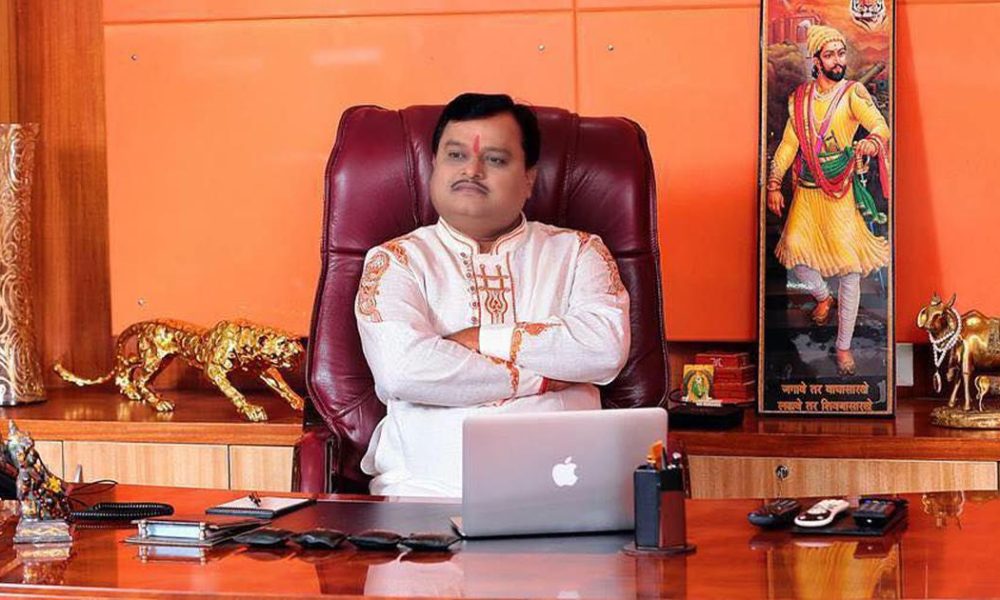
The Delhi High Court has put a temporary hold on the criminal defamation proceedings against Sudarshan TV and its editor Suresh Chavhanke. This development comes in light of allegations linking the channel to claims that a madrasa was engaged in activities detrimental to the nation.
The case was initiated by Mohammed Tufail Khan, who oversees the Jamia Arabia Nizami Welfare Educational Society, a non-governmental organization that runs a madrasa providing shelter, food, and clothing to approximately 70 orphans. Khan’s petition also included Islamic scholar Mufti Wajahat Qasmi and Maya Chavhanke, Suresh Chavhanke’s wife and the channel’s director.
In his allegations, Khan claimed that Qasmi had falsely accused his educational institution of involvement in anti-national activities, accepting illegal financing, and indoctrinating children between August and September 2022. Tufail Khan recounted a distressing incident from September 2022, when a group of residents, accompanied by media representatives, entered his home, labeled him a “Bangladeshi,” and publicly shared his contact number, putting him at risk of receiving death threats.
Khan asserted that Sudarshan TV aired defamatory programs targeting his organization and hosted another segment that included disparaging remarks. The legal battle has raised concerns over freedom of the press and the potential repercussions of defamatory statements in today’s hyper-connected society.
During the court proceedings, which took place on August 21, the High Court noted that Chavhanke’s defense pointed out that he is merely the presenter of a television program and does not exhibit any criminal intent. This argument was central to the court’s decision to stay the proceedings, highlighting the complexities surrounding media freedom, responsibility, and defamation laws in India.
The court’s stay on the proceedings emphasizes the need for a balanced approach in handling cases involving media personnel and the accountability of public voices. This case could set a precedent, as it navigates the intersection of journalism, individual rights, and the societal implications of media narratives.
Source: scroll.in



No Comment! Be the first one.