

Are Our Feline Friends Becoming Tamer? New Insights into Cat Domestication
Over the past decade and a half, the relationship between humans and their feline companions has transformed remarkably. What once seemed unusual—creating a social media profile for a pet—has now...

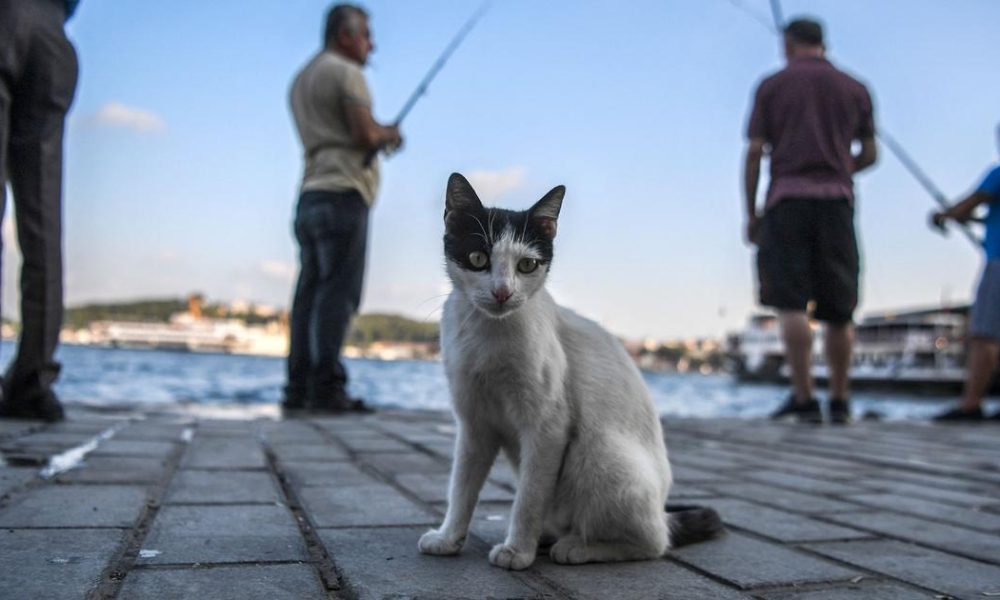
Over the past decade and a half, the relationship between humans and their feline companions has transformed remarkably. What once seemed unusual—creating a social media profile for a pet—has now blossomed into a global phenomenon. Today, social media accounts dedicated to cats boast millions of followers, and it’s common to see these beloved pets traveling in fashionable backpacks or prams. More significantly, surveys reveal that an overwhelming majority of cat owners consider their pets to be integral family members.
While I have previously explored the historical journey of cat domestication, it prompts a thought-provoking question: Is the process of domestication still unfolding? Evidence from various wildlife studies suggests that adaptation to human environments can persist long after initial contact. This concept is vital as it opens up new discussions about how animals, particularly cats, continue to evolve alongside humans.
A fascinating study led by biologist Kevin Parsons at the University of Glasgow offers substantial insights into this ongoing adaptation. In 2020, Parsons and his team examined the skulls of both urban and rural red foxes in London and surrounding areas. Their research revealed notable differences between the two populations. The urban foxes displayed characteristics such as shorter, wider snouts and reduced braincases. These physical changes align closely with traits seen in domesticated animals. The researchers posit that life in urban settings may favor foxes that are less skittish around humans and are skillful at utilizing the food and shelter that people provide.
Similar findings are emerging from Dublin’s Phoenix Park. In a 2022 study conducted by ecologists at University College Dublin, it was observed that fallow deer living near urban areas have displayed parallel behavioral adaptations. These examples illustrate that as wildlife encounters human habitats more frequently, they may develop traits that enhance their survival and integration within these altered environments.
This ongoing evolution raises intriguing possibilities about the nature of our bond with animals, particularly cats. As they adapt to our lifestyles, can we expect even further changes in their behavior and characteristics? The fact that cat owners increasingly treat their pets as family could be an influencing factor in this evolution. It opens up avenues for future research into how domestication is not merely a historical event but a continuous journey that shapes the lives of our animal companions.
Source: scroll.in






No Comment! Be the first one.