

Genetic Studies Pave the Way for Mithun Conservation in Arunachal Pradesh
In the picturesque landscapes of Arunachal Pradesh, the mithun, a semi-domesticated bovine species, has long been a significant part of indigenous culture and heritage. For the communities that rear...

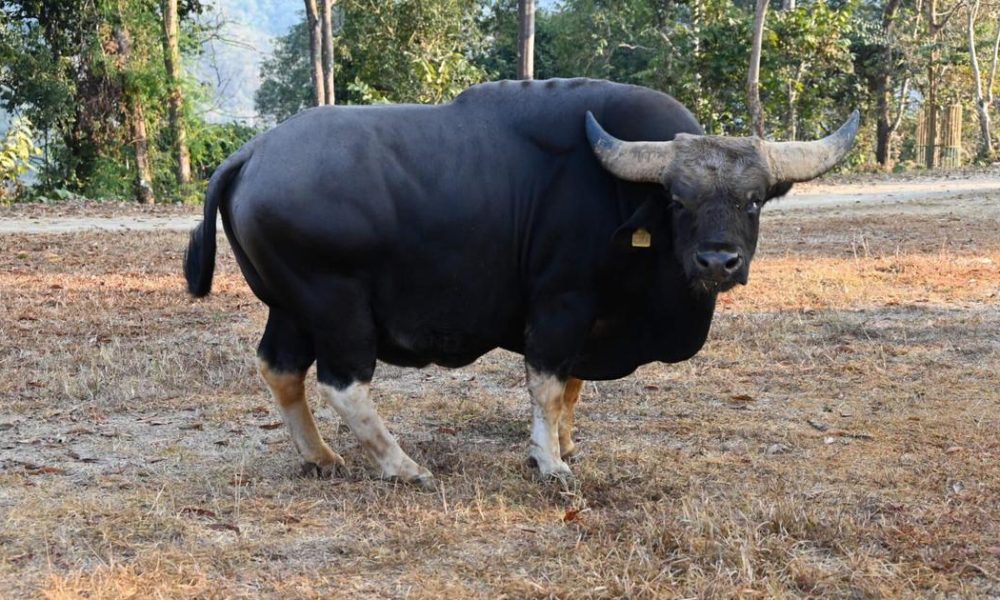
In the picturesque landscapes of Arunachal Pradesh, the mithun, a semi-domesticated bovine species, has long been a significant part of indigenous culture and heritage. For the communities that rear these animals, discussions often gravitate towards their mithun populations. A common inquiry posed by outsiders is, “How many mithuns do you own?” This seemingly simple question carries profound implications within these communities.
Take John Pei Cander, for instance. When he faced this query recently, his enthusiasm dimmed as he hesitated before answering, “I currently have just four.” This admission starkly contrasts with his father’s era, during which the family proudly owned around 30 mithuns. Despite Cander’s success in business, ownership of agricultural land, and a comfortable lifestyle complete with an SUV and private schooling for his children, it is the dwindling mithun count that weighs heavily on his sense of pride.
John’s experience is indicative of a broader trend. Many individuals in similar positions—those with stable government jobs or flourishing farms—express discomfort when discussing their mithun numbers. The reluctance to disclose such information reflects a deeper socio-cultural narrative: a declining mithun population is perceived not just as an economic concern but as a loss of status and heritage.
The mithun (Bos frontalis) is more than just livestock for the indigenous people of northeast India. It holds significant cultural value, symbolizing wealth, prestige, and social standing. This animal’s unique status is intricately woven into the fabric of customary practices and familial traditions. In a society where the number of mithuns owned can influence one’s social standing, the ongoing decline in their population poses a grave concern.
To address this issue, recent genetic studies have emerged as a beacon of hope for conservation efforts. Researchers are focusing on understanding the genetic diversity of the mithun population, which is crucial for their preservation. By analyzing the genetic makeup of these animals, scientists aim to identify the underlying reasons for their dwindling numbers and develop strategies to bolster their population. The collaboration between local communities and genetic researchers could play a pivotal role in ensuring the survival of this culturally significant species.
Source: scroll.in






No Comment! Be the first one.