

Bihar Government Defends Police Action During Youth Protests, Supreme Court Informed
The Bihar government recently appeared before the Supreme Court, explaining the actions of a constable who discharged an AK-47 rifle during protests that erupted in Siwan on July 25. The state...

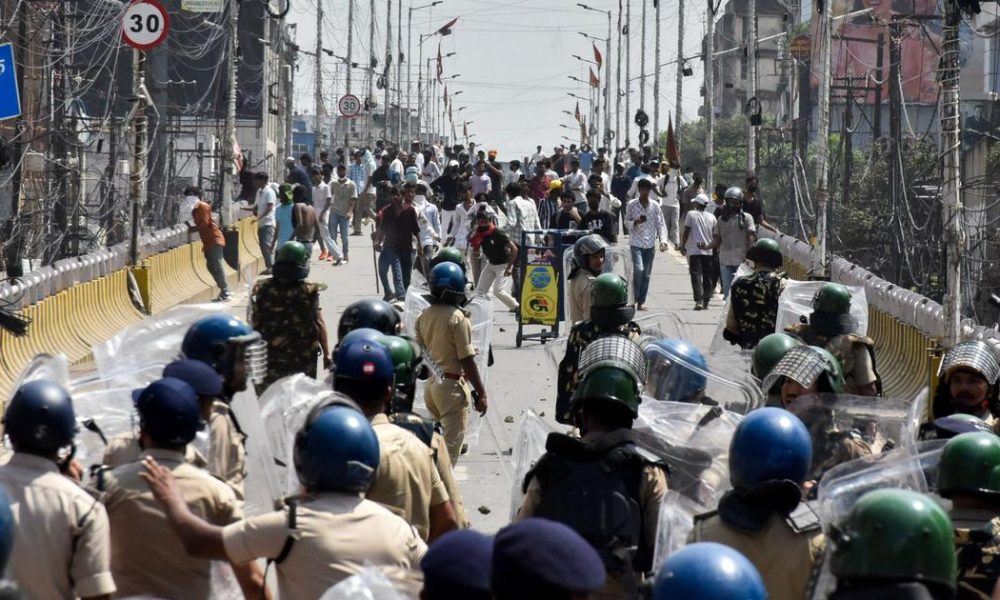
The Bihar government recently appeared before the Supreme Court, explaining the actions of a constable who discharged an AK-47 rifle during protests that erupted in Siwan on July 25. The state contended that the officer fired four shots into the air after feeling “trapped” by the crowd of demonstrators who were protesting alleged irregularities in competitive examinations.
According to the affidavit submitted by the Bharatiya Janata Party-led state administration, no injuries were reported due to the rounds fired from the assault rifle. The affidavit was filed on August 11, addressing claims from petitioners regarding the police’s excessive use of force against the protestors. The protests aimed to express solidarity with similar demonstrations occurring in Delhi, where youth were demanding the resignation of Union Education Minister Dharmendra Pradhan, who eventually stepped down on the same day.
The protests in Siwan resulted in three demonstrators sustaining injuries during a separate incident when police fired upon the crowd, which had allegedly resorted to throwing stones. Additionally, violent protests were reported in Jehanabad on July 23, leading to further confrontations between police and protesters. The state maintained that the injuries suffered by the three individuals in Siwan were minor and attributed to gunfire from an assistant sub-inspector wielding a 9-mm pistol, not the AK-47.
Following these incidents, the Director General of Police for Bihar has issued directives regarding the use of the AK-47, emphasizing that it is classified as a “platoon-level weapon” meant for specific operational scenarios. This clarification comes in the wake of mounting scrutiny over police actions during the protests, which have raised questions about law enforcement’s response to civilian unrest.
The situation in Bihar reflects broader tensions in India, where youth demonstrations have been increasingly vocal in their demands for transparency and accountability in government examinations. As the case progresses in the Supreme Court, the responses from both the state and the protesters will be critical in understanding how such incidents affect future demonstrations and police conduct across the nation.
Source: scroll.in





No Comment! Be the first one.