

UK Drought Exposes Vulnerabilities in Food Supply Chain
The recent drought across much of England has raised alarms about the sustainability of its food systems, revealing how deeply intertwined water availability is with agricultural productivity. Water...

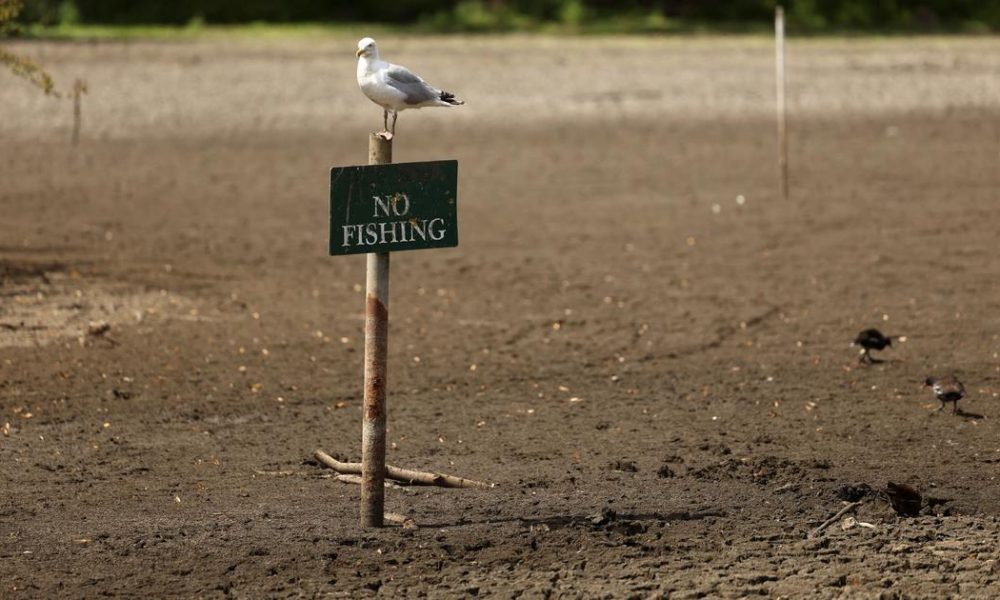
The recent drought across much of England has raised alarms about the sustainability of its food systems, revealing how deeply intertwined water availability is with agricultural productivity. Water companies are closely monitoring reservoir levels as drought conditions persist, prompting concerns among farmers who are grappling with arid soils and deteriorating crop health. With potential new restrictions on grazing and water usage looming, the agricultural sector is bracing for further challenges.
Food security is increasingly becoming a pressing issue that cannot be ignored. For many residents, the implications of the drought are starkly visible on supermarket shelves, where shortages of popular items like cucumbers and the rising costs of basic vegetables have become all too common. These scenarios, which have plagued consumers in recent years, highlight a significant vulnerability in the food supply chain. The sight of barren shelves and inflated prices has become an unfortunate norm, leading many to wonder why this situation is still catching people off guard.
The UK government monitors numerous indicators that inform citizens about the stability of essential services, from inflation rates to healthcare wait times and water resource levels. These metrics serve as early warnings, allowing for timely interventions to avert crises. In contrast, the resilience of the food supply chain tends to be evaluated only after problems manifest, an approach that seems counterintuitive for such a vital aspect of daily life.
Food is not merely a commodity; it is fundamental to health, well-being, and economic stability. As countries around the world, including India, strive for food security, the lessons from the UK’s drought serve as a crucial reminder. The interconnectedness of water and food systems demands urgent attention. Without a proactive approach to managing water resources, the specter of food shortages could become a stark reality, impacting everyone from farmers to end consumers.
As the situation unfolds, it prompts a broader reflection on how societies prioritize food resilience as part of their infrastructure. Drawing parallels with India, where water scarcity and agricultural challenges are also prevalent, the discourse around food security must evolve. Addressing these vulnerabilities requires not only awareness but also innovation in water management and agricultural practices, ensuring that communities can thrive even in the face of climate uncertainties.
Source: scroll.in







No Comment! Be the first one.