

Bangladesh Reflects on 1947: The Unseen Legacy of Partition in a Nation’s Narrative
For decades, August 15 has held a somber significance in Bangladesh, primarily recognized as the day that marks the tragic assassination of Sheikh Mujibur Rahman, the nation’s founding leader, along...

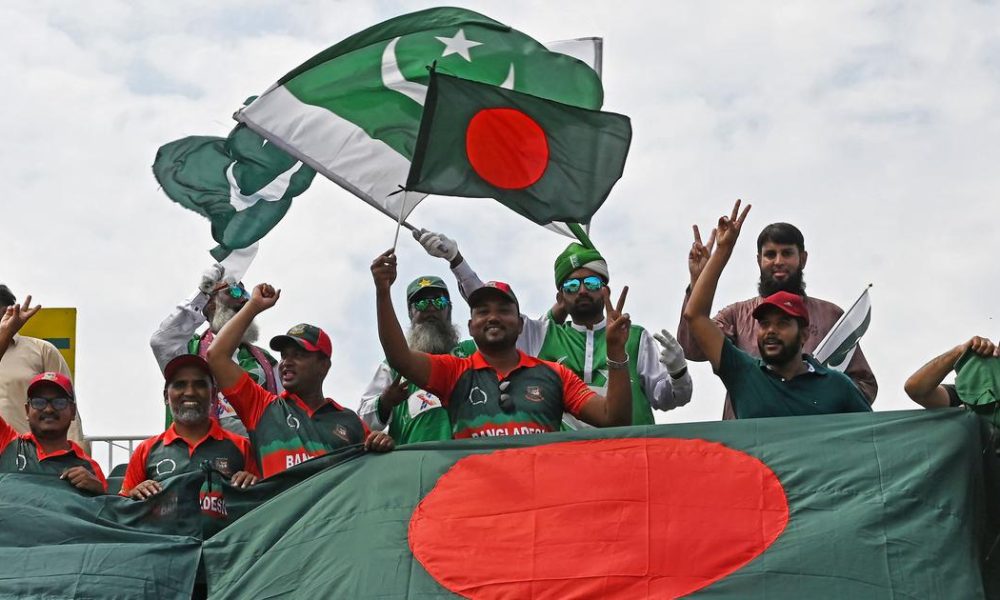
For decades, August 15 has held a somber significance in Bangladesh, primarily recognized as the day that marks the tragic assassination of Sheikh Mujibur Rahman, the nation’s founding leader, along with most of his family in 1975. This date has been observed as a day of national mourning, overshadowing another critical historical milestone: the end of British colonial rule in 1947 and the consequent partition of Bengal.
Historically, the year 1947 was seen as an event relevant only to India and Pakistan, which gained independence a day earlier. Bangladesh, emerging as a sovereign state only in 1971 after a tumultuous Liberation War, has often distanced itself from the narrative of partition. However, recent political upheavals, particularly the July uprising that challenged the government of Sheikh Hasina, have prompted a renewed engagement with this pivotal moment in history.
This shift towards recognizing the significance of 1947 and the traumatic experiences associated with Partition is noteworthy but raises important questions about national identity and historical memory. The reluctance of Bangladesh to confront the events of 1947 has always been more than mere oversight; it stems from a broader discomfort regarding the implications of Partition and the Two-Nation Theory, which posited that Hindus and Muslims constituted two distinct nations.
As Bangladesh seeks to reassess its historical narrative, there is a growing acknowledgment that the legacy of Partition cannot be entirely ignored. Engaging with this aspect of history is crucial for understanding the complexities of national identity in a country that has largely built its story around the struggles leading up to 1971. The examination of 1947 is not merely an academic exercise but a vital inquiry into the principles that shaped the subcontinent’s political landscape.
The ongoing discussions around 1947 suggest a maturation in Bangladesh’s approach to its historical narratives. Recognizing the impact of Partition on countless families and communities, both in Bangladesh and beyond, is essential for fostering a more comprehensive understanding of the region’s past. This introspective journey may help bridge the historical and cultural gaps that have long defined Bangladesh’s relationship with its neighbors.
Source: scroll.in





No Comment! Be the first one.