

The Resilience of Jatinder Mehra: How He Transformed the Workforce at SAIL
Jatinder Mehra’s journey as the former Executive Director of Steel Authority of India Limited (SAIL) is marked by resilience and strategic foresight, particularly during his tenure in the 1970s...

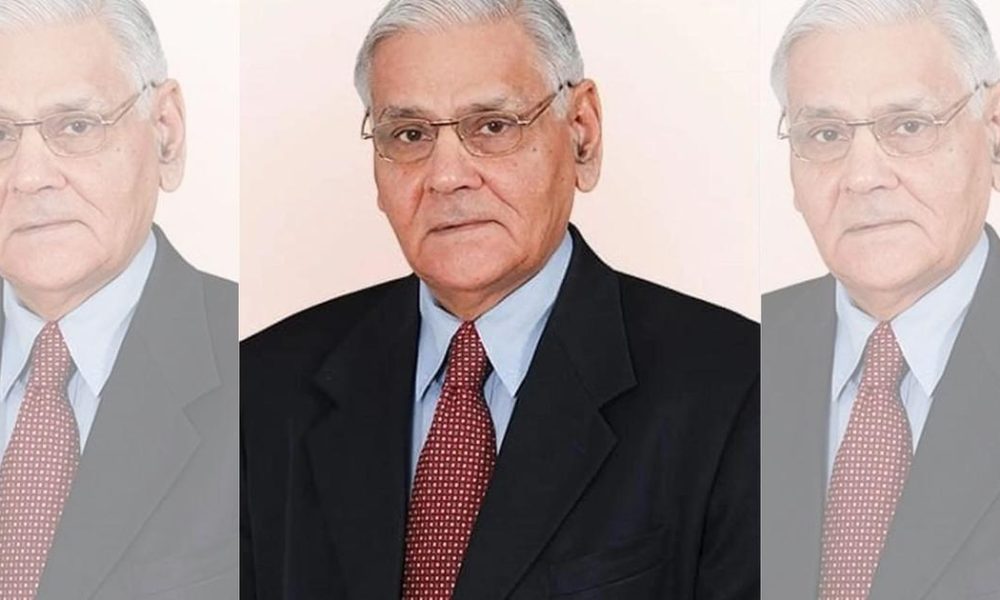
Jatinder Mehra’s journey as the former Executive Director of Steel Authority of India Limited (SAIL) is marked by resilience and strategic foresight, particularly during his tenure in the 1970s at the Rourkela plant. This period was characterized by significant labor unrest and political pressures, which posed a considerable challenge for Mehra as he navigated the complexities of union dynamics while striving to uphold operational efficiency.
The 1970s in India were a time of heightened labor activism, with unions wielding considerable power and frequently initiating strikes. For Mehra, who was grappling with personal tragedies at the time, these external pressures added layers of complexity to his role. He confronted the need to protect worker safety while simultaneously ensuring that the operational integrity of SAIL was not compromised. This delicate balancing act required a nuanced approach to management that Mehra embraced wholeheartedly.
Reflecting on his experiences, Mehra noted that his time at Rourkela was instrumental in shaping his management philosophy. “What I learned there shaped my future approach to management,” he stated. The emphasis of his strategy was not merely on addressing the immediate issues at hand but on establishing systems that would mitigate such challenges in the future. In a high-stakes industrial setting, this proactive mindset became essential for fostering both discipline and collaboration among the workforce.
Additionally, Mehra faced the daunting task of managing union relationships, which could often become contentious. He recalled instances when union leaders exerted pressure on management to take decisions that were, at times, outside the legal framework or established protocols. Standing firm in such situations required courage and conviction, traits that Mehra displayed consistently. He understood that while accommodating worker concerns was crucial, it was equally important to maintain adherence to regulations and operational standards.
As he moved on from SAIL to a leadership role at Essar Steel, the lessons learned during his formative years at Rourkela continued to influence his approach. Mehra’s ability to navigate the complexities of industrial relations and his commitment to building a cohesive workforce have left an indelible mark on India’s steel industry. His story serves as a testament to the power of resilience and strategic management in overcoming challenges, making Jatinder Mehra a noteworthy figure in the landscape of Indian business.
Source: scroll.in




No Comment! Be the first one.