

Six Must-Read Global Nonfiction Titles Exploring History and Culture
In the ever-expanding realm of nonfiction literature, a new wave of titles is capturing the attention of readers worldwide. Among them, six remarkable works delve into world histories that not only...

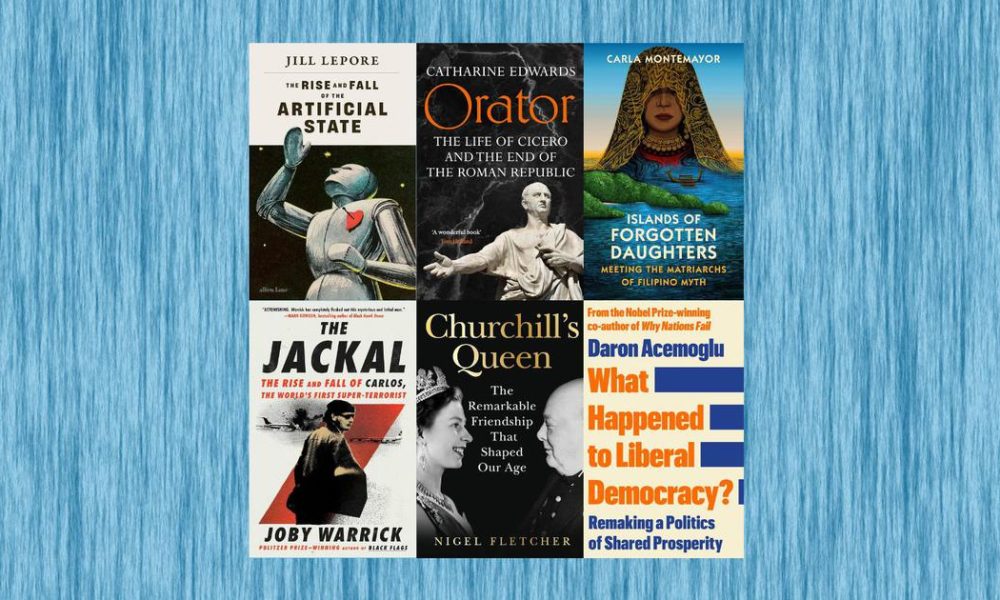
In the ever-expanding realm of nonfiction literature, a new wave of titles is capturing the attention of readers worldwide. Among them, six remarkable works delve into world histories that not only educate but also inspire. These narratives explore themes of identity, resilience, and the often-untold stories of marginalized communities.
One standout title is Islands of Forgotten Daughters: Meeting the Matriarchs of Filipino Myth by Carla Montemayor. The author embarks on a profound personal quest to reconnect with her roots after discovering that her great-great-grandmother was a binukot—a young girl secluded from society, revered for her ability to memorize and recite traditional myths. Montemayor’s journey takes her back to the Philippines as she grapples with the absence of her culture’s narratives in her upbringing, which was instead filled with European fairytales. In her exploration, she unveils the rich tapestry of her heritage, revealing how colonial histories have often erased the stories of indigenous peoples.
As she weaves together the histories of her ancestors, who faced war, oppression, and displacement, Montemayor highlights the courage and resilience of women in her lineage. Their stories resonate with universal themes of struggle and empowerment, providing a fresh lens through which to view Philippine history and culture. The book stands as a tribute to the often-overlooked female figures who have shaped the narrative of their communities.
Additionally, What Happened to Liberal Democracy?: Remaking a Politics of Shared Prosperity by Daron Acemoglu explores the current state of liberal democracy and its challenges. As political landscapes shift globally, Acemoglu argues for a reimagined approach to governance that prioritizes shared wealth and collective wellbeing over individualism. His insights are particularly relevant in today’s context, where political divisions and socioeconomic disparities are increasingly pronounced.
These titles, among others, emphasize the importance of understanding diverse histories and perspectives. They encourage readers, particularly in India, to reflect on their own narratives and the broader implications of historical narratives on contemporary society. As we delve into these works, we not only enrich our knowledge but also foster a deeper appreciation for the complexities of human experiences across the globe.
Source: scroll.in






No Comment! Be the first one.