

Government Rejects Supreme Court Petition for Income-Based Sub-Quotas in Reservation System
The Union government has firmly opposed a petition filed in the Supreme Court that requests the introduction of income-based prioritization within the reservation system for Scheduled Castes (SC),...

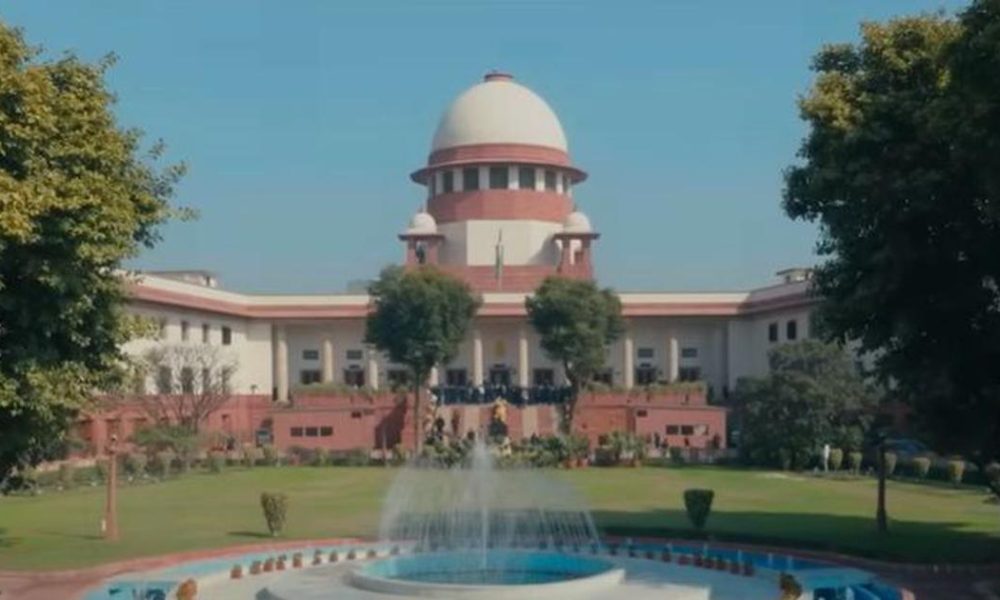
The Union government has firmly opposed a petition filed in the Supreme Court that requests the introduction of income-based prioritization within the reservation system for Scheduled Castes (SC), Scheduled Tribes (ST), and Other Backward Classes (OBC). The government argues that these reservations are fundamentally rooted in historical and social disadvantages rather than merely economic status.
In its response to the petition, the Centre emphasized that the authority to establish policy regarding reservations in government employment and education lies with the executive arm of the government, and not with the judiciary. The petitioners have urged the court to instruct the government to implement a sub-classification system within the existing reservation framework, allowing economically disadvantaged individuals within each category to receive priority.
The Centre maintained that the Constitution does not permit modifications to the reservation framework based solely on economic criteria. Any alterations to the quota lists, they asserted, should be the prerogative of Parliament, which can adjust these classifications based on historical, social, and educational disadvantages. Furthermore, the government noted that while the precise criteria for such classifications are not explicitly stated in the Constitution, they have developed over time into an established understanding.
One key point raised by the government is the inapplicability of the creamy layer principle to SC and ST reservations. This principle, which aims to exclude higher-income individuals from benefiting from reservation quotas, is a topic of ongoing debate in India. Advocates for this exclusion argue that wealthier individuals within these categories should not receive the same benefits as their economically weaker counterparts, thereby ensuring that the reservations serve their intended purpose of aiding those truly in need.
The government’s stance reflects a broader commitment to maintaining the integrity of the reservation system as a means of addressing historical injustices faced by marginalized communities. As the Supreme Court deliberates on this matter, it underscores the complexity of balancing socioeconomic factors with the historical needs that these reservations aim to fulfill.
Source: scroll.in





No Comment! Be the first one.