

The Enigmatic Life of Hazrat Mahal: A Courtesan, a Wife, and a Military Strategist
Hazrat Mahal, a figure shrouded in mystery, occupies a unique space in the annals of Indian history. Despite her significant role during the 1857 uprising against British colonial rule, the details...

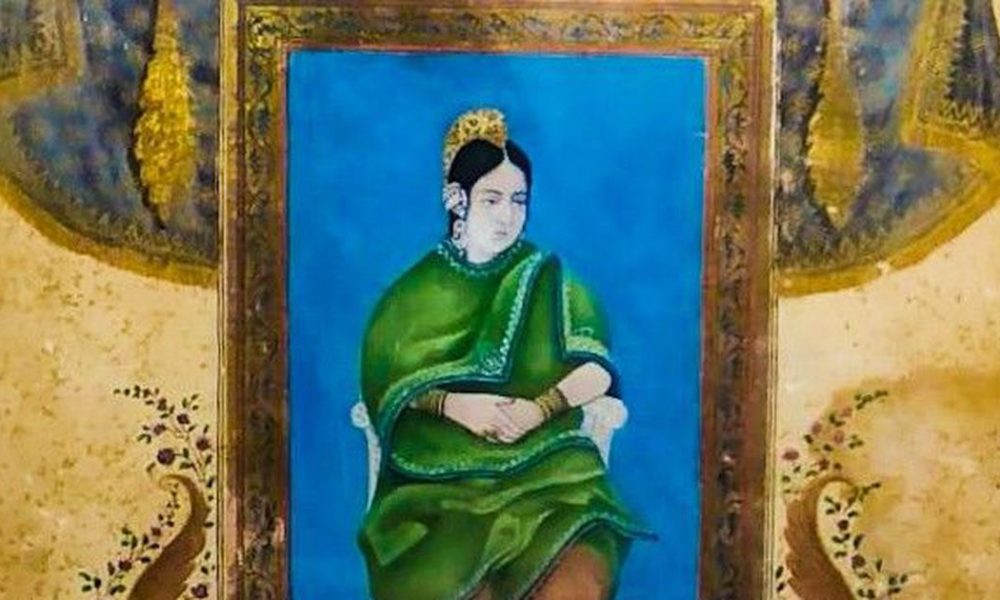
Hazrat Mahal, a figure shrouded in mystery, occupies a unique space in the annals of Indian history. Despite her significant role during the 1857 uprising against British colonial rule, the details surrounding her early life remain elusive. Notably, her precise date of birth and place of origin are subjects of speculation, with some contemporary sources suggesting she may have hailed from Faizabad, while others propose Farrukhabad as her birthplace.
What we do know is that Hazrat Mahal emerged in the historical narrative through the writings of King Wajid Ali Shah, who documented his life in his autobiography, Parikhana. In this account, he refers to Hazrat Mahal as a ‘professional courtesan’ who captivated his attention and earned the title of Mahak Pari, or ‘Flower Fairy.’ This designation speaks to her allure and the artistic skills she possessed, having been trained in music and dance.
Hazrat Mahal’s introduction into the royal court was facilitated by her connection to two other notable figures, sisters Amman and Imaman, who were celebrated singers from a musical lineage in Farrukhabad. Their choice to leave a life of commendable performances for the royal court remains an intriguing facet of their story. King Wajid Ali Shah himself expressed surprise at their decision to join him, indicating a blend of personal relationships and professional aspirations that marked the cultural milieu of the time.
Though much of Hazrat Mahal’s past is fragmented, her legacy as a military strategist during the Indian Rebellion of 1857 stands undisputed. After the fall of Lucknow, she took on a pivotal role in opposing British forces, demonstrating not just her political acumen but also her courage. In a time dominated by male leaders, her actions echoed a powerful message about women’s capabilities in leadership and warfare.
As we delve deeper into the life of Hazrat Mahal, it becomes evident that her contributions extend beyond mere romantic ties to the king. She symbolizes a complex intersection of culture, politics, and resistance. Her story, albeit incomplete, serves as a reminder of the many untold narratives that form the rich tapestry of India’s historical landscape.
Source: scroll.in





No Comment! Be the first one.