

Youth Protests Ignite in Mumbai Amid Concerns Over Electoral Roll Revisions
Last Saturday marked a significant day for India’s youth as protests erupted in Mumbai’s Bandra area, demanding the resignation of Union Education Minister Dharmendra Pradhan following his...

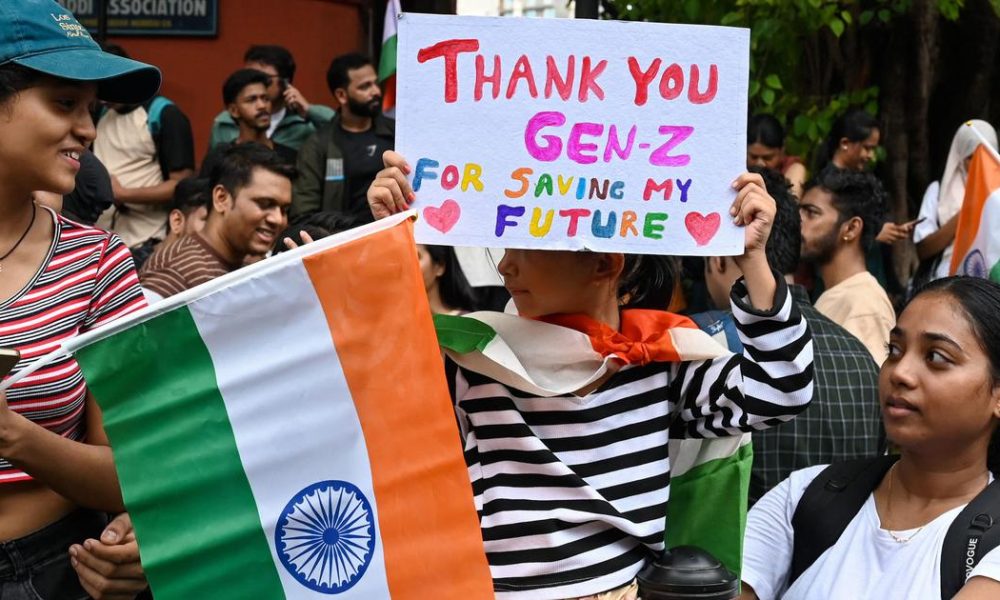
Last Saturday marked a significant day for India’s youth as protests erupted in Mumbai’s Bandra area, demanding the resignation of Union Education Minister Dharmendra Pradhan following his abrupt departure from the cabinet. What began as a call for accountability quickly morphed into a celebration of victory for protesters advocating for better management of national examinations and educational reforms. The jubilant atmosphere on the waterfront was filled with cheers and an infectious sense of triumph.
However, just 750 meters away, a starkly different scene unfolded in a community hall where the atmosphere was laden with frustration and discontent. Volunteers were busy assisting individuals in filling out forms for the Special Intensive Revision of the electoral rolls, an initiative taking place across 16 states and three Union Territories. The air was thick with murmurs of dissatisfaction as attendees expressed their concerns about the legitimacy and transparency of this electoral exercise.
The protests represented a youthful desire to amplify democratic engagement, compelling the government to heed the voices of its electorate. In contrast, the community hall’s activity highlighted a growing unease regarding the methods employed by the government, which many view as overly skeptical of the citizenry. The official narrative suggests that the electoral roll revision aims to update the voter list by removing deceased individuals and those who have relocated. Yet, beneath this surface, there are fears that this process may serve a more sinister purpose—potentially disenfranchising voters and questioning the authenticity of their voices.
This juxtaposition of events underscores a larger narrative within Indian democracy, particularly as it pertains to the younger generation’s engagement with political processes. The stark difference in vibes between the two gatherings reveals a dissonance in how democracy is perceived and practiced in contemporary India. While one group rallies for inclusivity and reform, another grapples with the bureaucratic mechanisms that seem to cast doubt on the very legitimacy of their participation.
As India navigates the complexities of electoral politics, it remains crucial for the government to foster trust and transparency in its processes. Without addressing these concerns, the gap between the aspirations of the youth and the realities of democratic governance may only widen, potentially stifling the voices that demand accountability and change.
Source: scroll.in





No Comment! Be the first one.