

Exploring the Parallels Between Shakespeare’s ‘The Tempest’ and the Hidden Costs of Artificial Intelligence
William Shakespeare, whose literary contributions have spanned over 400 years, continues to resonate in contemporary discussions ranging from psychology to political theory. His works provide insight...

William Shakespeare, whose literary contributions have spanned over 400 years, continues to resonate in contemporary discussions ranging from psychology to political theory. His works provide insight into various aspects of the human experience, transcending time and societal changes. Recently, scholars have begun to draw intriguing parallels between Shakespeare’s narratives and the emerging complexities of artificial intelligence (AI), inviting a deeper examination of how these technologies shape our perceptions of thought and existence.
AI is no longer a futuristic concept; it is now woven into the fabric of daily life for many individuals. However, the physical frameworks that underpin these sophisticated systems often go unnoticed. Each interaction we have with AI, whether through voice assistants or recommendation algorithms, is processed in expansive data centers located far from our immediate environments. These facilities leverage vast amounts of data to generate responses by predicting word sequences based on learned patterns, effectively operating behind a curtain of digital anonymity.
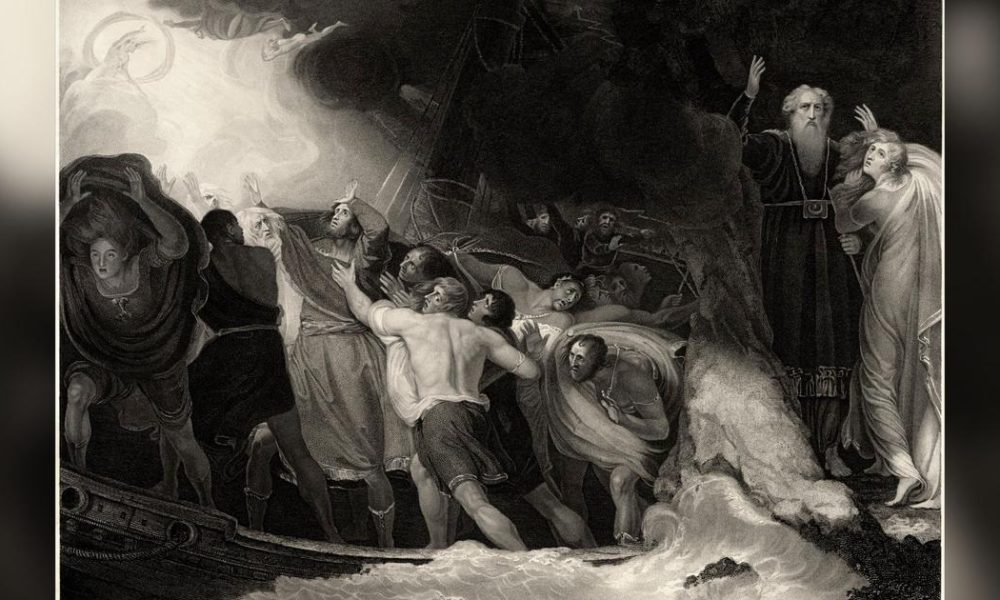
The hidden mechanisms of AI operation echo themes from Shakespeare’s play, ‘The Tempest,’ which explores the dynamics of power and control through unseen forces. In this narrative, the character of Prospero exemplifies the manipulation of power from a remote position, drawing a parallel to how AI operates within extensive infrastructures that are often out of sight and mind. This comparison becomes particularly relevant as discussions about the ethical implications of AI grow in urgency.
Moreover, the establishment of data centers often raises concerns regarding their environmental and social impacts. These facilities, which are resource-intensive, are frequently situated in rural or economically disadvantaged areas, where land acquisition and resource allocation are easier to manage. Such practices can lead to broader societal issues, including environmental degradation and economic disparity, highlighting the hidden costs of our growing reliance on AI solutions.
In light of these considerations, it is essential for users and policymakers alike to critically assess the implications of AI technologies. By understanding the latent challenges and ethical dilemmas associated with these advancements, we can work towards creating a more equitable and sustainable digital future. Just as Shakespeare’s works reflect the struggles and triumphs of humanity, they can also serve as a cautionary tale regarding the unseen consequences of our modern innovations.
Source: scroll.in







No Comment! Be the first one.