

Fuel Dependent South Asia Faces Challenges Amid Global Conflicts
The recent geopolitical tensions between the US and Iran have raised questions about the resilience of fuel-dependent economies in South Asia. As hostilities simmer down, it’s crucial to assess how...

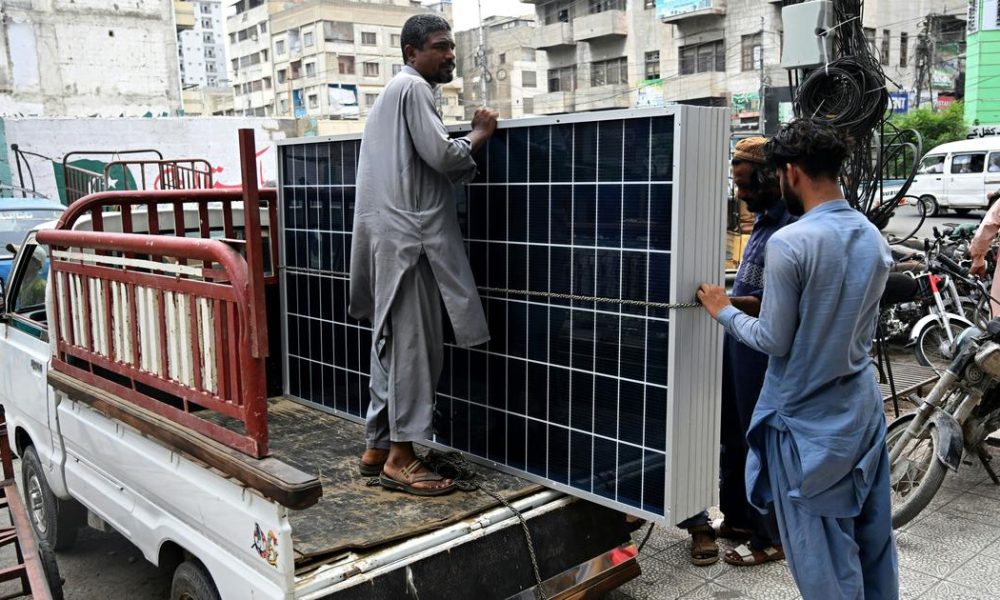
The recent geopolitical tensions between the US and Iran have raised questions about the resilience of fuel-dependent economies in South Asia. As hostilities simmer down, it’s crucial to assess how countries like Bangladesh, Pakistan, and Sri Lanka, which have been significantly impacted by these conflicts, can navigate future crises.
In March 2026, escalating threats and missile exchanges in the Strait of Hormuz led to an energy supply crisis in South Asia, long before the repercussions were felt in Washington or Brussels. The situation was less about global politics and more about the tangible struggles of everyday life, characterized by long fuel queues, shuttered businesses, and frequent power outages that left households in darkness.
These three nations have historically relied on fossil fuels, with minimal domestic oil reserves and little clout in influencing global commodity prices. The ramifications of international conflicts, such as the 2008 oil price surge and the subsequent disruptions caused by the Russia-Ukraine war in 2022, have highlighted their vulnerability. In both instances, the South Asian economies were left grappling with energy shocks stemming from conflicts they did not instigate.
However, the current scenario in 2026 presents a glimmer of hope. Alternatives to fossil fuels are no longer just theoretical; they are becoming increasingly accessible and affordable. Countries in the region are beginning to explore these options, signaling a shift towards energy diversification. The pressing question now remains: Will these nations proactively invest in sustainable energy infrastructure to mitigate future risks, or will they continue to react to crises as they arise?
In a region where energy security is paramount, the choices made today will determine the welfare of millions in the future. Investing in renewable energy sources not only offers a way to shield these nations from the shocks of global conflicts but also aligns with global sustainability goals. As South Asia stands at this crucial juncture, it must recognize the urgency of transitioning to more resilient energy systems, fostering a future where the impacts of international conflicts are less likely to hinder development and stability.
Source: scroll.in






No Comment! Be the first one.