

The Flaws in India’s Reliance on Technology to Resolve Education Issues
In recent times, India has witnessed a surge in protests led by students against the backdrop of the National Eligibility-cum-Entrance Test (NEET) examination leak. In response, the government has...

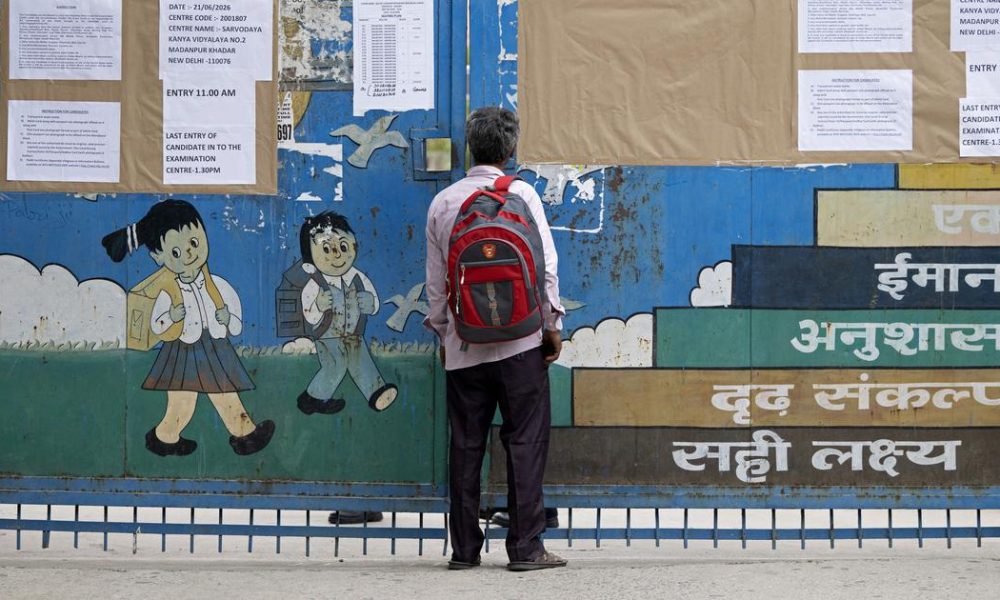
In recent times, India has witnessed a surge in protests led by students against the backdrop of the National Eligibility-cum-Entrance Test (NEET) examination leak. In response, the government has established a high-powered task force, chaired by Infosys co-founder Nandan Nilekani, aiming to reform examination processes. However, this approach raises critical questions about the effectiveness of a solely technocratic solution to the ongoing educational crisis.
The government’s strategy appears to revolve around treating systemic failures as mere software glitches. The prevailing assumption is that by securing digital platforms, centralizing databases, and placing management in the hands of technocrats, a myriad of social issues can be resolved. This perspective manifests a troubling trend: the belief that technological fixes can seamlessly translate into equitable and effective educational outcomes.
Historically, India’s Aadhaar initiative serves as a cautionary tale regarding the pitfalls of relying solely on technology in governance. Launched in 2009 under Nilekani’s leadership, Aadhaar promised to create a frictionless, corruption-free digital infrastructure. However, the reality has been starkly different, with concerns over privacy, data security, and the erosion of human rights coming to the forefront. As critiques from economists like Reetika Khera and Jean Drèze emphasize, the implementation of Aadhaar has often prioritized digital efficiency over the welfare and dignity of individuals.
This technocratic approach to reforming education and examinations risks oversimplifying complex socio-political issues. The ongoing protests highlight a broader sentiment among students and youth who are increasingly disillusioned with a system that seems disconnected from their realities. Rather than merely focusing on digital solutions, there is an urgent need for a comprehensive dialogue that includes diverse perspectives and grassroots involvement.
In order to genuinely address the challenges facing India’s education system, policymakers must be vigilant against the allure of technocratic quick fixes. The lessons learned from Aadhaar’s troubled implementation pressure the government to adopt a more holistic approach that recognizes the intricate relationship between technology and societal needs. If the aim is to foster a fair and just educational landscape, then solutions must extend beyond the realm of digitization and instead engage with the very fabric of India’s socio-political context.
Source: scroll.in






No Comment! Be the first one.