

Echoes of the Emergency: India Under Global Scrutiny for Civil Rights Erosion
Fifty years after India faced one of its darkest chapters—the Emergency declared by then-Prime Minister Indira Gandhi—echoes of that period seem to resurface in contemporary times. During the...

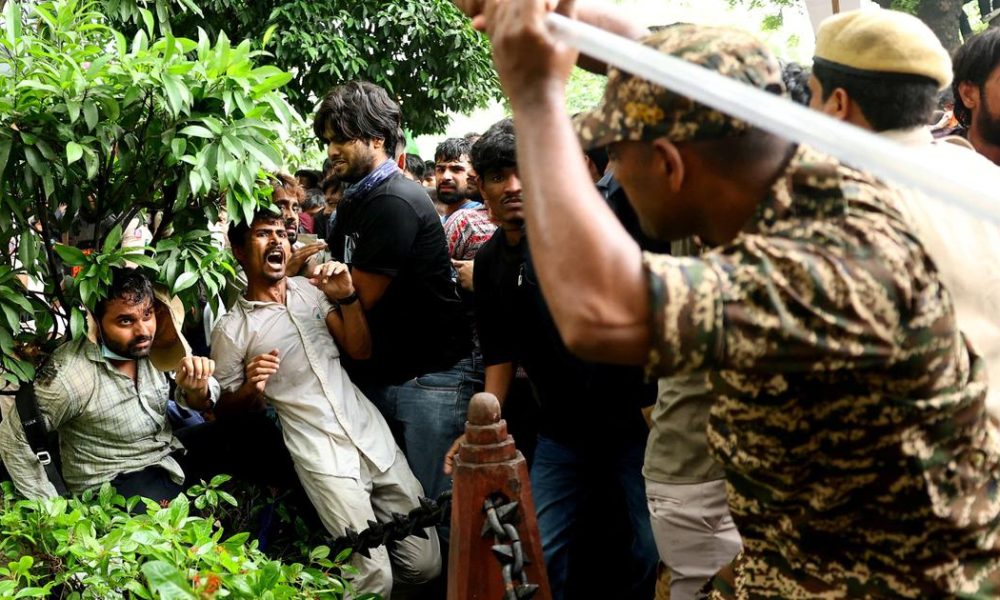
Fifty years after India faced one of its darkest chapters—the Emergency declared by then-Prime Minister Indira Gandhi—echoes of that period seem to resurface in contemporary times. During the Emergency, civil liberties were suspended, the press faced stringent censorship, and thousands of dissenters were imprisoned. Today, while there is no official declaration of emergency, alarming similarities have emerged that warrant attention from both national and international observers.
Currently, a wave of protests led by the youth has swept across the nation, fueled by frustrations over their diminishing voices and opportunities. These demonstrations have met with a heavy-handed response from law enforcement, drawing parallels to the oppressive tactics of the past. Additionally, a documentary highlighting the life of a human rights advocate, who was tragically murdered three decades ago, has been removed from its streaming platform, raising concerns about censorship in the current climate.
The situation has further deteriorated with amendments to the Foreign Contributions Regulation Act, initially introduced during the Emergency in 1976. These changes have tightened governmental control over civil society organizations, particularly those working to expose corruption, environmental issues, and human rights abuses. Just as during the Emergency, state agencies appear to be weaponized against dissenters, often invoking national security and foreign influence as justifications for silencing criticism.
Recent developments in India indicate a worrying trend regarding civil liberties, particularly under the tenure of Prime Minister Narendra Modi and his Bharatiya Janata Party (BJP). The pattern of diminishing civic freedoms aligns with a broader narrative of suppressing democratic dissent that has been evident since the BJP came to power. Observers note that the crackdown on dissent is not a spontaneous occurrence but rather part of a systematic approach to undermine opposition.
The repercussions of these actions have not gone unnoticed internationally. India has recently been placed on a global watchlist by a prominent civil society network, which raises questions about the country’s commitment to democratic principles. The current state of affairs prompts citizens and global observers alike to reflect on the implications of curtailing civil rights and the importance of safeguarding democratic institutions.
Source: scroll.in




No Comment! Be the first one.