

US Imposes 200% Tariffs on Generic Drugs: India Faces Economic Concerns
The recent announcement by US President Donald Trump regarding the imposition of substantial tariffs on generic drugs has raised eyebrows, particularly in India, which is a major supplier of these...

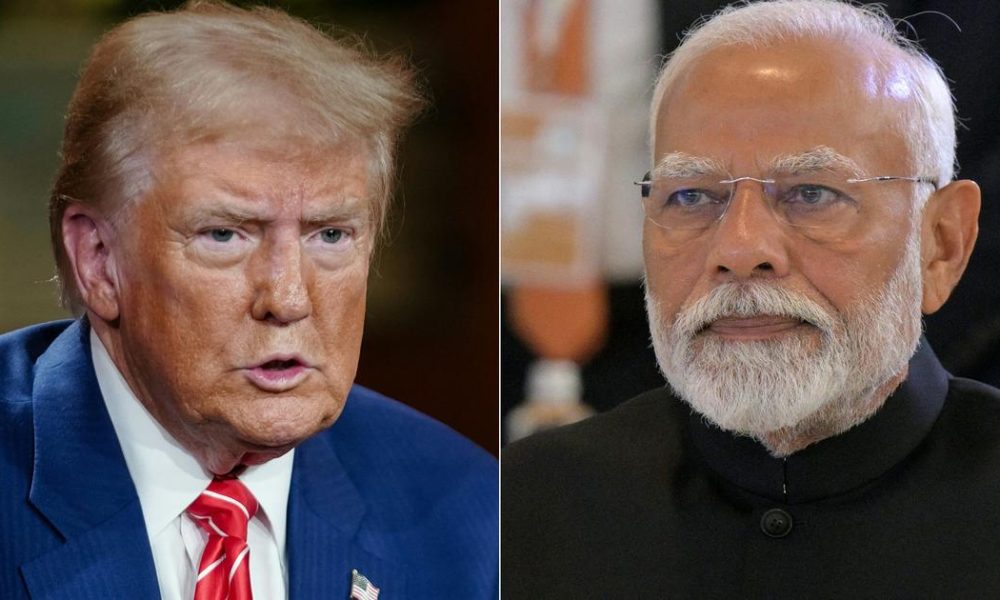
The recent announcement by US President Donald Trump regarding the imposition of substantial tariffs on generic drugs has raised eyebrows, particularly in India, which is a major supplier of these medicines to the US market. According to US Secretary of State Marco Rubio, it is reasonable to expect that Indian officials, especially External Affairs Minister S. Jaishankar, would have concerns about this decision.
During a press interaction in Manila, Rubio mentioned that although the topic of tariffs did not come up in his discussions with Jaishankar, the implications of the tariffs on India’s pharmaceutical exports are significant. “I mean, not with me, we did not get into depth on pharmaceuticals today,” he stated. He further emphasized that India should indeed be worried, given that the country is responsible for nearly half of the generic medications sold in the United States.
The tariffs will come into effect in phases, with an initial two-year grace period beginning August 1, 2028, during which generic drugs will remain tariff-free. However, after this period, the tariffs will escalate to 100% for the following year, ultimately reaching 200%. This progressive increase is expected to place substantial strain on Indian pharmaceutical manufacturers and could hinder access to affordable medicines for American consumers.
In 2024 alone, India exported pharmaceuticals worth $8.7 billion to the United States, constituting a significant 31% of the nation’s overall pharmaceutical exports. The Indian pharmaceutical industry, known for producing high-quality generics at competitive prices, plays a crucial role in making essential medications accessible to patients worldwide, particularly in the US.
The projected tariffs have sparked discussions about the broader implications for trade relations between the two countries. India’s pharmaceutical sector could face increased production costs and potential job losses if the tariffs lead to a decline in exports. Additionally, the move may prompt Indian manufacturers to reconsider their strategies, possibly leading to a shift in focus toward other markets.
Source: scroll.in







No Comment! Be the first one.