

Exploring Preventive Detention in India: Insights from TM Krishna’s New Book
In recent developments in West Bengal, the newly established BJP government has introduced a controversial law allowing authorities to detain individuals deemed “generally reputed to be...

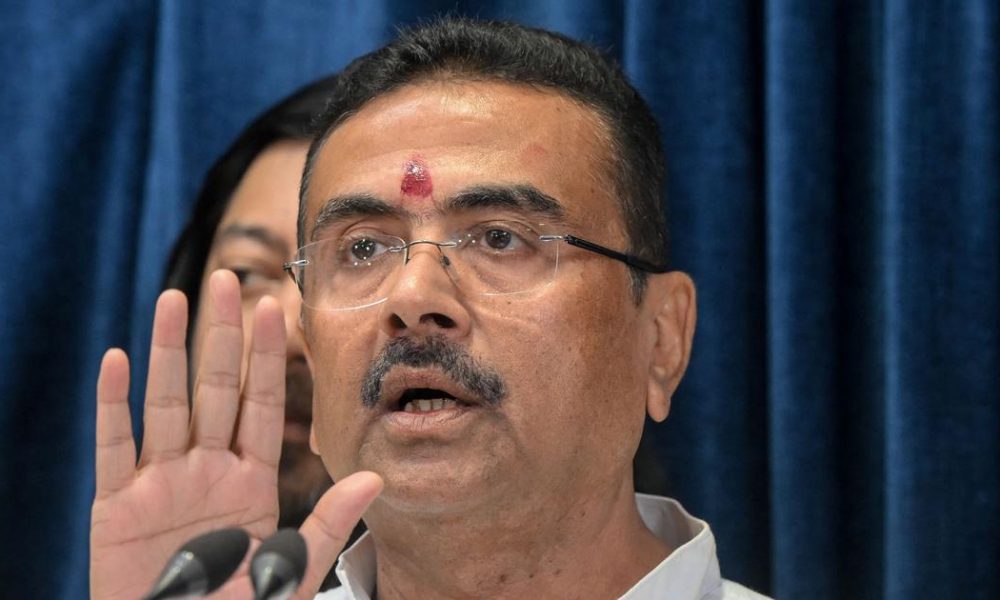
In recent developments in West Bengal, the newly established BJP government has introduced a controversial law allowing authorities to detain individuals deemed “generally reputed to be desperate and dangerous to the community” for a period of up to one year. This law also restricts the detainees’ access to legal representation, raising serious concerns among opposition parties who have described it as “scary” and believe it may not withstand judicial review.
The inclusion of preventive detention in India’s Constitution has long sparked debate about its implications for civil liberties and democratic governance. Critics argue that such laws can lead to abuses of power, emphasizing the need to reflect on the intentions of the Constitution’s framers. Preventive detention is often justified with the rationale of averting potential threats to public safety, yet the mechanisms for accountability in enforcement remain murky in India’s complex legal landscape.
Historical context adds depth to this discussion. The Terrorist and Disruptive Activities (Prevention) Act (TADA), enacted in 1987, is a pertinent example of how preventive detention has been utilized in the past. TADA granted extensive powers to the state, leading to numerous instances of arbitrary detention. A notable case is that of AG Perarivalan, who was arrested at the age of 19 for his alleged involvement in the assassination of former Prime Minister Rajiv Gandhi. Held for three decades, his conviction was primarily based on a confession that was neither fully recorded nor transparent, raising questions about the integrity of the judicial process.
The challenges surrounding preventive detention highlight an ongoing tension between national security and individual rights. The legal framework surrounding such measures often lacks transparency, making it difficult to assess whether authorities are genuinely acting in the best interests of the public. As TM Krishna navigates these intricate issues in his latest book, he prompts readers to consider the balance between safeguarding society and upholding fundamental rights.
Understanding the historical, legal, and social dimensions of preventive detention is essential for informed discourse on its future in India. As citizens grapple with the implications of such laws, it is crucial to advocate for accountability and transparency in the enforcement of measures that could potentially infringe on civil liberties.
Source: scroll.in







No Comment! Be the first one.