

Allahabad High Court Clarifies Places of Worship Act Allows State Acquisition for Public Use
The Allahabad High Court ruled on Thursday that the Places of Worship Act, which seeks to maintain the religious character of places of worship, does not impede the state from acquiring such sites...

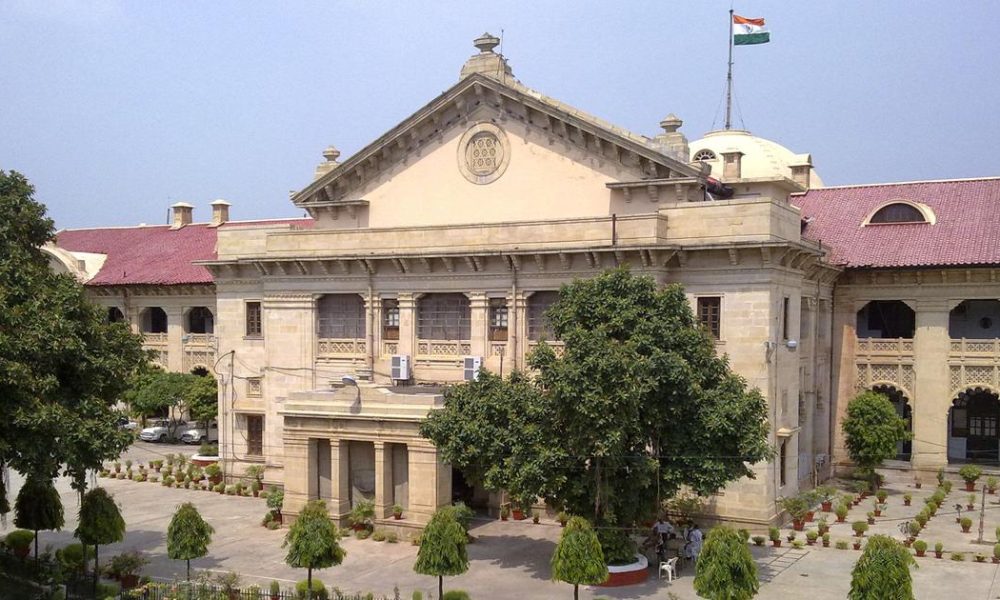
The Allahabad High Court ruled on Thursday that the Places of Worship Act, which seeks to maintain the religious character of places of worship, does not impede the state from acquiring such sites for legitimate public purposes. This decision came from a bench consisting of Justices JJ Munir and Arun Kumar while dismissing a plea from six shopkeepers and tenants located in Varanasi’s Dalmandi area.
The petitioners were protesting against a road widening and beautification initiative linked to the Uttar Pradesh government’s Shri Kashi Vishwanath Dham Corridor project. They claimed that the six mosques in question, which include the Anjuman Intezamia Masjid, Masjid Rangile Shah, Masjid Ali Raza Khan, Masjid Karimullah Baig, Masjid Nisaran, and Masjid Sangamarmar, had existed prior to August 15, 1947, and thus should be protected under the stipulations of the Places of Worship Act.
In their arguments, the shopkeepers expressed concerns that the project would not only displace them but also threaten the livelihoods and homes of countless individuals in the vicinity. They alleged that the acquisition of these religious sites was arbitrary and aimed at specifically targeting a particular community. This aspect raised alarms about the socio-political implications of the state’s actions and fueled debates surrounding religious freedom and community rights.
However, the court firmly rejected their claims, asserting that the 1991 Act was designed to preserve the character of places of worship and not to obstruct the state’s ability to undertake necessary public projects. The judges emphasized that the acquisition of these sites for public benefit, particularly in the context of urban development and infrastructure improvement, is permissible under the law. This ruling has significant implications not only for the ongoing project in Varanasi but also sets a precedent for future cases involving religious sites and public acquisition in India.
The backdrop of this case underscores the intricate balance between protecting religious sentiments and ensuring urban development in a rapidly modernizing India. As cities expand and infrastructure demands grow, such legal interpretations will likely play a crucial role in shaping the relationship between state projects and community sentiments.
Source: scroll.in







No Comment! Be the first one.