

Government Clarifies E20 Ethanol Blending Programme Status Amid Supreme Court Hearing
The Indian government has strongly refuted claims suggesting that it characterized the 20% Ethanol Blended Petrol (E20) initiative as an “ongoing experiment” during a recent Supreme Court...

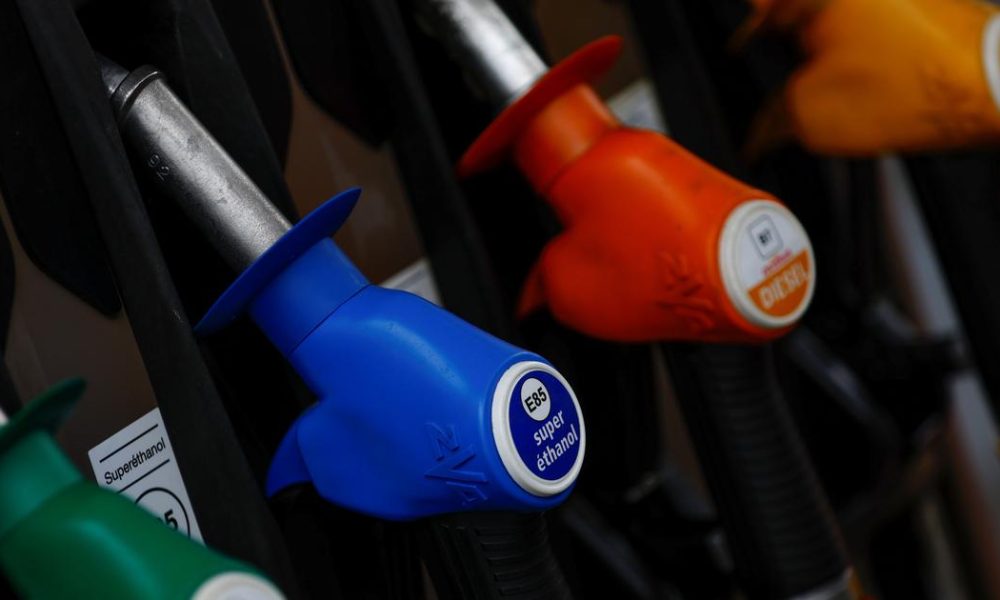
The Indian government has strongly refuted claims suggesting that it characterized the 20% Ethanol Blended Petrol (E20) initiative as an “ongoing experiment” during a recent Supreme Court hearing. This clarification was issued by the Ministry of Law and Justice, which described the reports as misleading and not representative of the actual statements made by Attorney General R. Venkataramani.
This development arose in the context of a petition filed by Bharat Petroleum Corporation Limited (BPCL) challenging a June 23 ruling by the Karnataka High Court. The High Court had mandated BPCL, along with other major oil marketing companies such as Hindustan Petroleum Corporation Limited and Indian Oil Corporation, to reassess requests from distilleries for increased ethanol allocations prior to finalizing their tenders for the 2025-2026 supply year. BPCL expressed concerns that altering allocations post-contract finalization could jeopardize the successful implementation of the national ethanol blending strategy.
During the Supreme Court proceedings, the attorney general clarified that numerous similar petitions regarding ethanol distribution to dedicated ethanol plants are currently pending in various high courts across India. The government’s stance is critical given the ongoing efforts to boost ethanol production and usage in the country, aligning with India’s broader goals of enhancing energy security and reducing dependence on fossil fuels.
The E20 program is a significant part of India’s push towards renewable energy and aims to blend ethanol with petrol to achieve a sustainable automotive fuel solution. Critics of the program have raised concerns regarding its execution, especially around the logistics of ethanol supply and its impact on fuel prices. The government, however, maintains that the integration of ethanol will not only support rural farmers but also contribute to reducing carbon emissions.
The clarification from the government comes at a pivotal time as India continues to navigate its energy transition. With the Supreme Court’s involvement in the ethanol allocation matter, the outcomes will likely influence both the petroleum sector and the agricultural economy, highlighting the interconnectedness of energy policies and agricultural production.
Source: scroll.in







No Comment! Be the first one.