

India’s Yoga Diplomacy: A Complex Balancing Act in Palestine Amidst Ties with Israel
In recent years, yoga has emerged as a central element of India’s cultural diplomacy, particularly since 2014 when the government began emphasizing its role as a tool for soft power. Prime Minister...

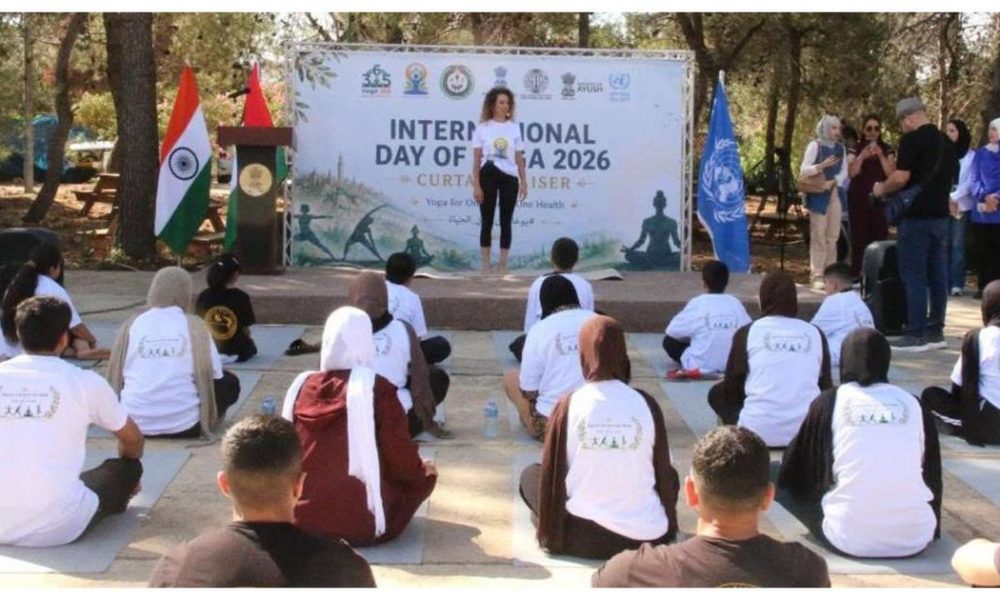
In recent years, yoga has emerged as a central element of India’s cultural diplomacy, particularly since 2014 when the government began emphasizing its role as a tool for soft power. Prime Minister Narendra Modi characterized yoga as a universal practice that promotes physical fitness, mental tranquility, and emotional stability. He stated, “Yoga is not just about exercises on a mat; it embodies a holistic approach to health and well-being, fostering mindfulness in thought and action and encouraging harmony between individuals and their surroundings.”
While much of this yoga diplomacy has been focused on Western nations, it has also raised important questions about its implications in politically sensitive regions, such as Palestine. The Ministry of Ayush, responsible for promoting Ayurveda, Yoga, and other traditional Indian practices, has utilized yoga to position India as a beacon of peace and harmony. However, critics argue that this portrayal stands in stark contrast to the growing authoritarianism and intolerance towards minorities observed within India under Modi’s leadership.
As the Indian government promotes yoga on the global stage, the situation in Palestine complicates this narrative significantly. With escalating violence and humanitarian crises, particularly in Gaza, India’s choice to engage in yoga diplomacy in such a context has drawn scrutiny. Observers argue that Modi’s government may be leveraging yoga as a way to divert attention from its closer ties with Israel while presenting a facade of neutrality and concern for peace.”
This deliberate use of yoga diplomacy against the backdrop of serious human rights concerns raises questions about the ethics of cultural diplomacy. Anusha Lakshmi, a noted commentator, pointed out that Modi has utilized yoga to distract from the increasing violence and rigidness seen under his administration. The juxtaposition of promoting a peaceful practice like yoga amid ongoing conflict highlights a troubling dissonance in India’s diplomatic posture.
As India navigates its relationships in the Middle East, especially with Israel, the implications of yoga diplomacy could have far-reaching consequences. It remains to be seen how effective this strategy will be in reconciling India’s image as a promoter of peace while balancing relations with nations embroiled in conflict. The future of yoga diplomacy, particularly in the context of Palestine, will require careful consideration to ensure that it aligns with the values of peace and tolerance that it seeks to promote.
Source: scroll.in





No Comment! Be the first one.