

US Reverts Indo-Pacific Command to Pacific Command, Emphasizing Historical Legacy
The United States government has made a significant shift in its military designation by renaming the US Indo-Pacific Command back to its original title, the US Pacific Command. This announcement was...

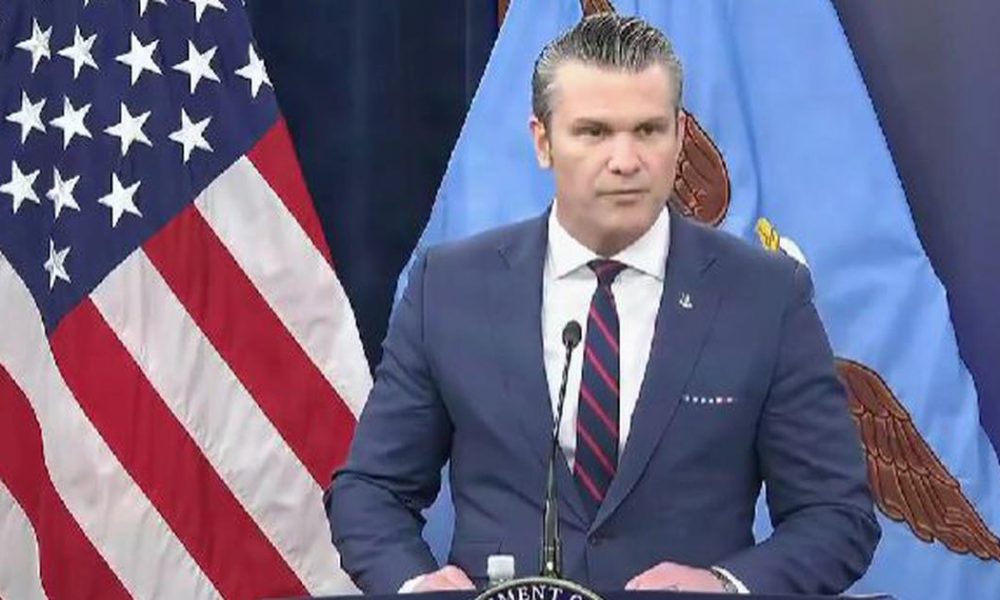
The United States government has made a significant shift in its military designation by renaming the US Indo-Pacific Command back to its original title, the US Pacific Command. This announcement was made on Tuesday, marking a return to tradition after several decades of operating under the new name. The move aims to honor the command’s rich history, which dates back to its establishment by President Harry Truman on January 1, 1947.
The reversal comes after a name change was implemented in 2018 during the administration of former President Donald Trump. At that time, the renaming to Indo-Pacific Command was justified by the growing geopolitical significance of the Indian Ocean and its intertwining with the Pacific security dynamics. However, the recent decision by the Department of War highlights a desire to restore the legacy associated with the original designation.
Despite the change in name, the operational scope of the command remains unchanged. The command is responsible for overseeing an extensive area that stretches from the US West Coast to India’s western borders, encompassing crucial maritime routes and strategic interests. The Department of War noted that this command is the oldest and largest among the United States’ unified combatant commands, underlining its long-standing presence and influence in regional security matters.
In India, the decision has sparked reactions among political figures, including Congress MP Shashi Tharoor, who raised concerns about the implications of this move. Tharoor’s criticism suggests that the name change may signify a broader shift in US policy towards the region and could pose challenges for India’s strategic interests in the Indo-Pacific area. As the geopolitical landscape continues to evolve, the implications of such changes will be closely monitored by both policymakers and analysts.
This rebranding decision is reflective of the ongoing dynamics in international relations, particularly in the context of US-China tensions and the pivotal role of the Indo-Pacific region. It remains to be seen how this change will affect diplomatic relations and military collaborations in South Asia and beyond.
Source: scroll.in






No Comment! Be the first one.