

Dinesh Trivedi’s ‘Shared Skies’ Comment Ignites Diplomatic Tensions in Bangladesh
India’s newly appointed High Commissioner to Bangladesh, Dinesh Trivedi, made headlines shortly after crossing the Benapole-Petrapole border last Friday. The veteran politician’s entry into...

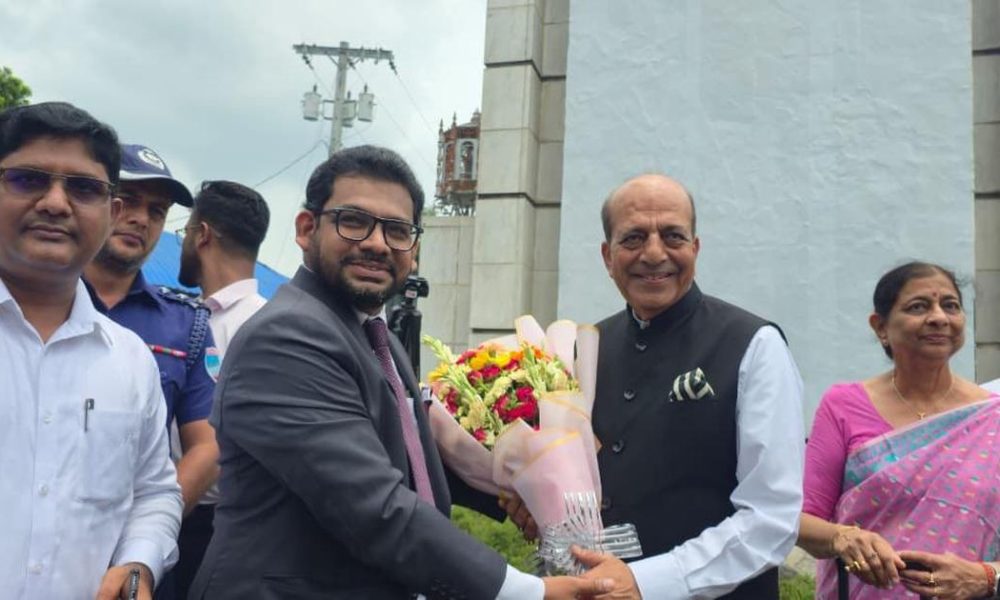
India’s newly appointed High Commissioner to Bangladesh, Dinesh Trivedi, made headlines shortly after crossing the Benapole-Petrapole border last Friday. The veteran politician’s entry into Bangladesh was intended to symbolize warmth and accessibility. However, his remarks soon sparked a diplomatic stir in Dhaka, illustrating the delicate nature of Indo-Bangladesh relations.
Trivedi, a seasoned member of the Bharatiya Janata Party and former Union Railway Minister, is breaking new ground as he is the first politician to take on the role of High Commissioner in the 55-year history of diplomatic relations between India and Bangladesh. His appointment follows the tenure of Pranay Verma, who has now moved on to serve as India’s Ambassador to Belgium and the European Union. This strategic shift signifies India’s intent to strengthen ties with Bangladesh at a political level, rather than relying solely on career diplomats.
Upon his arrival, Trivedi engaged with Bangladeshi journalists, expressing his aspirations for enhanced cooperation across various sectors, including sports, health, education, and technology. However, a particular phrase during the discussion captured widespread attention and sparked controversy. When addressing issues related to border tensions and the potential for easing trade and travel restrictions, Trivedi stated, “India and Bangladesh share the same sky, the same air, the same pain.” His comment, while intended to foster goodwill, was met with mixed reactions from the local populace and political circles.
The phrase “shared skies” has stirred emotions, as it can be perceived as a metaphor emphasizing unity but also raises questions about the complexities of the bilateral relationship. As both nations navigate challenges such as border management and economic exchanges, Trivedi’s words have added fuel to ongoing discussions about national identity and sovereignty.
In the backdrop of this controversy, it’s important to consider the broader implications of Trivedi’s appointment and his remarks. His diplomatic approach represents a shift towards a more personal connection with Bangladesh, which may resonate well amidst the growing ties between the two nations. However, the reaction to his statements serves as a reminder of the sensitivities that underline Indo-Bangladesh relations—acknowledging shared challenges while maintaining distinct national identities.
Source: scroll.in






No Comment! Be the first one.