

Indian States Criminalize Workers’ Protests by Framing Wage Disputes as Public Order Issues
In recent months, a wave of protests by contract workers across various industrial sectors in India has raised serious concerns about the state’s response to labor unrest. A notable incident occurred...

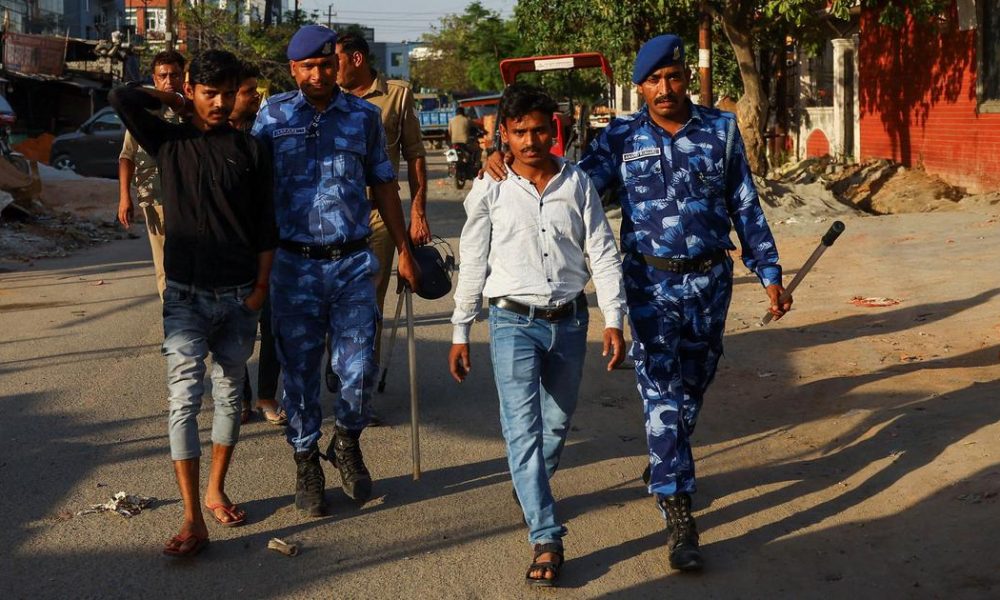
In recent months, a wave of protests by contract workers across various industrial sectors in India has raised serious concerns about the state’s response to labor unrest. A notable incident occurred in April when contract workers in Manesar and Noida, located in the National Capital Region, took to the streets demanding better wages and working conditions. Instead of addressing their grievances, authorities responded with a barrage of First Information Reports (FIRs) citing provisions from the Bharatiya Nagarik Suraksha Sanhita, effectively categorizing these labor disputes as criminal activities.
At a glance, the FIRs detail incidents often associated with civil disturbances—such as rioting, unlawful assembly, and damage to property—but a deeper examination reveals a strategic attempt to redefine wage-related issues as matters of public order and criminal liability. This transformation not only criminalizes the protests but also serves to delegitimize the workers’ demands, thereby stifling their voices. The protests have been widespread, encompassing locations from Barauni in Bihar to Panipat in Haryana, and from Faridabad to Noida, highlighting a nationwide crisis in labor relations.
The core issues driving these protests are universal among the contract workforce in India: stagnant wages amid rising living costs, extended working hours where 12-hour shifts are compensated for only eight, precarious job security, and a significant increase in the cost of living exacerbated by shortages in essential resources such as cooking gas. As these conditions intensify, workers find themselves cornered, with their protests being met with punitive measures rather than constructive dialogue.
In Noida, for instance, after authorities initially ignored the workers’ protests, they quickly resorted to issuing prohibitory orders and carrying out mass detentions under Section 170 of the Bharatiya Nagarik Suraksha Sanhita. This legislative approach not only criminalizes the act of protesting for better wages but also sends a chilling message to workers about the risks associated with voicing their grievances.
The plight of contract workers in India in 2026 is emblematic of a broader systemic issue: while many are formally employed, the reality is they are largely unprotected, precariously balancing their livelihoods on the edge of economic uncertainty. The state’s response to these labor disputes raises important questions about the rights of workers and the role of the government in ensuring fair labor practices. It appears that rather than seeking solutions to these pressing issues, authorities are opting to frame dissent as a threat to public order, thereby further alienating a workforce that simply seeks justice and respect.
Source: scroll.in





No Comment! Be the first one.