

No Immediate Hantavirus Threat in India, Assures Virology Expert Amid Isolated Cases
The chief of the National Institute of Virology has reassured the public that there is no immediate health threat from the hantavirus outbreak in India. This statement comes in response to reports of...

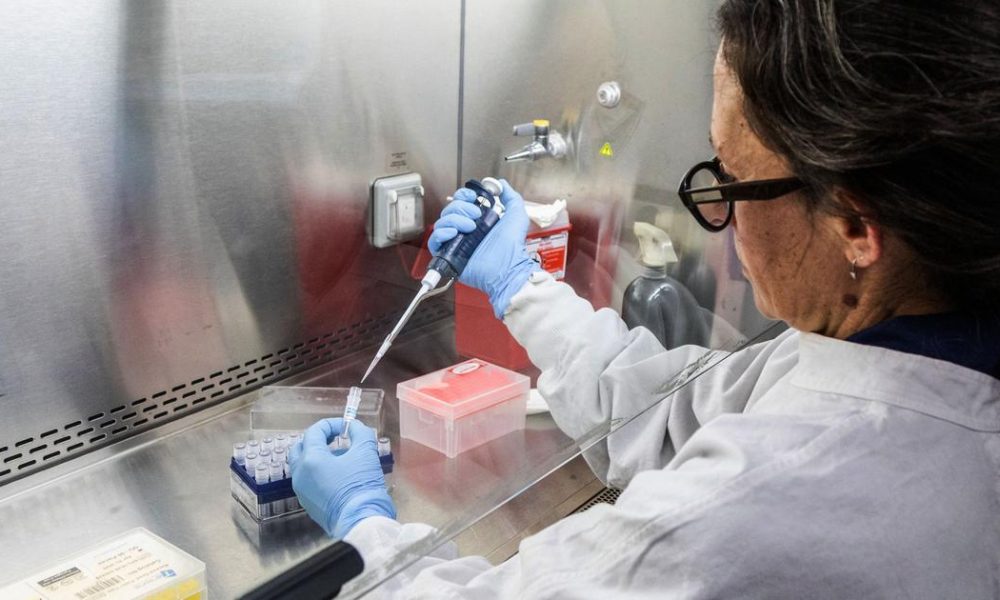
The chief of the National Institute of Virology has reassured the public that there is no immediate health threat from the hantavirus outbreak in India. This statement comes in response to reports of two Indian nationals who tested positive for the virus while aboard a cruise ship in the Atlantic Ocean. According to sources from the Indian Express, both individuals are asymptomatic and are currently being monitored.
Dr. Naveen Kumar, the director of the Indian Council of Medical Research’s virology research institute, indicated that these cases are likely isolated and emphasized that there is no evidence of community transmission. Unlike the coronavirus responsible for COVID-19, hantavirus does not spread easily from person to person, making the current situation less alarming.
“Human-to-human transmission is extremely rare,” Dr. Kumar explained. He noted that while limited transmission has been observed with certain strains of the hantavirus in South America, such instances are not common. He reassured the public that India has sufficient laboratory surveillance capabilities to identify potential hantavirus cases swiftly.
In light of these developments, Dr. Kumar advised individuals working in environments prone to rodent exposure, such as ships, warehouses, and poorly ventilated areas, to adhere to strict hygiene practices. The World Health Organization has also cautioned that more hantavirus infections could surface following the tragic death of three passengers aboard the MV Hondius cruise ship, although the health body maintains that the situation is being closely monitored.
Experts highlight the importance of ongoing vigilance, particularly for those in at-risk professions. As the situation unfolds, both health authorities and the public are urged to remain informed and prepared, but not alarmed, as the risk of widespread transmission remains low.
Source: scroll.in







No Comment! Be the first one.