

Bangladesh Eyes Uniform VAT Amid Economic Challenges: Learning from India’s GST Model
As Bangladesh grapples with fiscal constraints, the government is advocating for a uniform 15% value-added tax (VAT) across all sectors. This proposal, along with a potential revival of package VAT...

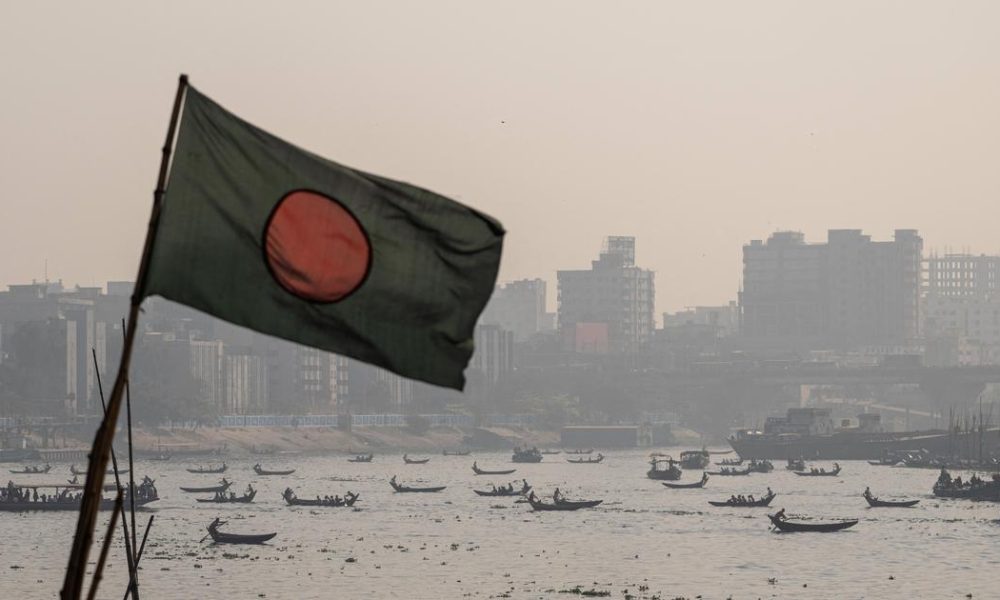
As Bangladesh grapples with fiscal constraints, the government is advocating for a uniform 15% value-added tax (VAT) across all sectors. This proposal, along with a potential revival of package VAT for smaller enterprises, aims to simplify the tax structure while increasing revenue. However, experts warn that this approach may not provide the financial relief that ordinary citizens seek and could, in fact, exacerbate the cost of living crisis.
The rationale behind implementing a broader VAT is to streamline tax collection and stabilize the budget. Officials assert that a simplified tax regime could reduce economic distortions and enhance government revenues. Yet, the historical reliance on indirect taxes in Bangladesh raises concerns. Currently, VAT and supplementary duties contribute significantly to the National Board of Revenue’s collections, accounting for approximately one-third to two-fifths of total receipts, which translates to around $11 billion to $14 billion annually.
In recent years, VAT has often surpassed income tax as the primary source of revenue, with estimates indicating that standalone VAT receipts range between $8 billion to $10 billion. This heavy reliance on VAT has sparked discussions about the sustainability of such a tax structure, particularly in light of its impact on everyday citizens.
Rather than merely adopting a uniform VAT model, some experts suggest that Bangladesh could benefit from examining India’s Goods and Services Tax (GST) system. India’s GST has been praised for its ability to unify various indirect taxes into a single framework, potentially offering a more balanced approach to revenue generation. The Indian model emphasizes transparency and efficiency, qualities that could be advantageous for Bangladesh as it seeks to modernize its tax system.
Moreover, while Bangladesh’s current VAT proposal aims to enhance government revenue, it is crucial to consider its implications on the lower and middle-income groups. A flat VAT rate may disproportionately affect these demographics, leading to an increase in living costs without addressing the underlying economic vulnerabilities. Therefore, it becomes essential for policymakers in Bangladesh to strike a balance between generating revenue and ensuring economic equity for its citizens.
Source: scroll.in







No Comment! Be the first one.