

Facing the Threat of Antimicrobial Resistance: A Looming Crisis for Healthcare
Antibiotics have long been hailed as one of the most significant advancements in modern medicine, transforming once-fatal infections into manageable conditions and establishing the foundation of...

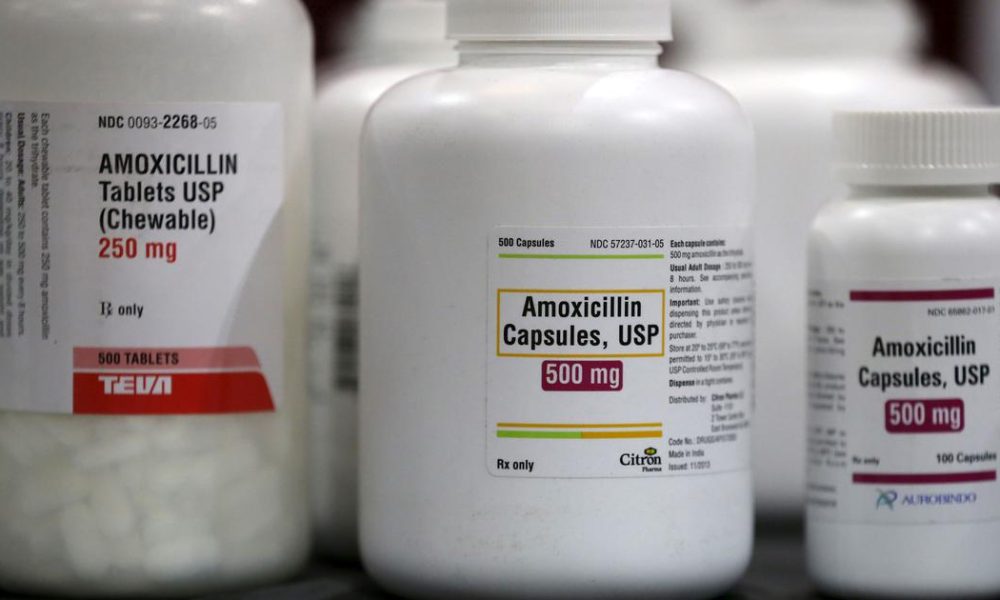
Antibiotics have long been hailed as one of the most significant advancements in modern medicine, transforming once-fatal infections into manageable conditions and establishing the foundation of contemporary healthcare. However, the efficacy of these life-saving drugs is increasingly compromised as bacteria evolve, leading to a troubling phenomenon known as antimicrobial resistance (AMR). This growing crisis is not just a medical concern but poses a serious threat to public health worldwide, with India being particularly vulnerable.
Antimicrobial resistance occurs when bacteria develop mechanisms to withstand the effects of medications designed to eliminate them. Current estimates suggest that drug-resistant infections are responsible for approximately 1.27 million deaths globally each year. The World Health Organization (WHO) has issued a stark warning that we may be approaching a “post-antibiotic era,” in which routine infections could once again turn perilous, complicating everything from simple surgical procedures to everyday injuries.
The historical context of this crisis is critical. A century ago, commonplace ailments such as a minor cut or childbirth presented serious health risks, often leading to infections that were difficult to treat. The medical landscape transformed dramatically with the discovery of penicillin by Alexander Fleming in 1928, which heralded a new era in the fight against infectious diseases. Prior to antibiotics, diseases like tuberculosis claimed countless lives, contributing to high mortality rates. In the late 19th century, tuberculosis was responsible for one in seven deaths in the United States alone.
Today, the situation in India is particularly alarming, given the high burden of infectious diseases and the widespread misuse of antibiotics. Many Indian healthcare providers often prescribe antibiotics without proper diagnoses, leading to increased resistance among pathogens. Moreover, the lack of awareness among the public regarding the responsible use of these medications exacerbates the situation. The high temperature and densely populated urban areas in India further accelerate the spread of resistant infections, making it essential to address this challenge head-on.
To combat antimicrobial resistance effectively, a multi-faceted approach is necessary. This includes enhancing public awareness about the appropriate use of antibiotics, implementing stricter regulations on antibiotic prescriptions, and investing in research to develop new antibiotics and alternative therapies. The government, healthcare providers, and the general public must work collaboratively to mitigate this impending crisis and safeguard the future of medicine.
Source: scroll.in






No Comment! Be the first one.