

Exploring the Dark Legacy of Albert Speer: A Novel’s Reflection on History and Memory
Writing a biographical novel about one of the most notorious figures in modern European history poses a unique challenge, especially when that figure is known for his elaborate deceptions. French...

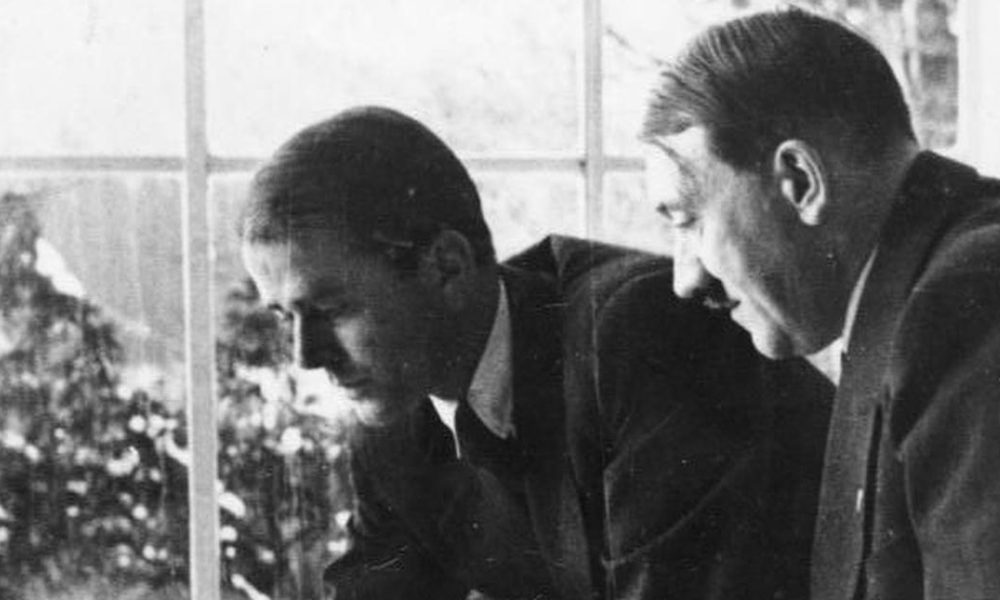
Writing a biographical novel about one of the most notorious figures in modern European history poses a unique challenge, especially when that figure is known for his elaborate deceptions. French author Jean-Noël Orengo has skillfully tackled this task in his novel, You Are the Führer’s Unrequited Love, which delves into the life of Albert Speer, the architect who became a war criminal under Nazi rule. Translated into English by David Watson, this work goes beyond mere historical recounting; it engages in a profound exploration of the nature of storytelling itself.
For nearly a decade, Speer held a pivotal role within Adolf Hitler’s inner circle, serving not only as an architect but also as a trusted aide and confidant. Orengo’s narrative suggests that Speer’s relationship with Hitler was complex and multifaceted, perhaps even bordering on a peculiar form of emotional attachment. By flattering Hitler’s artistic sensibilities and indulging his grandiose visions for a thousand-year Reich, Speer played a significant role in supporting the regime’s ambitions.
As the Minister of Armaments from 1942 onwards, Speer was instrumental in ensuring that Germany had the military supplies necessary to prolong its ultimately futile war against the Allies. His position granted him significant power, but it also tied him deeply to the regime’s atrocities. The novel addresses the moral complexities surrounding Speer’s legacy and the narratives that have emerged around him—questions that resonate powerfully today as India engages in its own historical reckoning.
Orengo’s work serves as a reminder that the stories we tell about history often bear the imprint of our own biases and perspectives. In a world where historical narratives can be twisted for various agendas, Speer’s life story prompts readers to consider the ethics of memory and the importance of truth in recounting the past. By examining the motivations behind these stories, Orengo invites readers to reflect on their own understanding of complicity, power, and the narratives that shape our collective consciousness.
A nuanced exploration of memory, myth, and moral reckoning makes Orengo’s novel relevant not just in the context of European history, but also within the framework of contemporary issues faced by nations like India. As societies grapple with their own historical narratives, You Are the Führer’s Unrequited Love opens up a dialogue about how we remember and interpret the past, ultimately encouraging a deeper understanding of the fragile nature of truth.
Source: scroll.in







No Comment! Be the first one.